Blog / Social

Comparing Everyday Driving Experience Between Volkswagen Tiguan and Toyota RAV4

Comparing Everyday Driving Experience

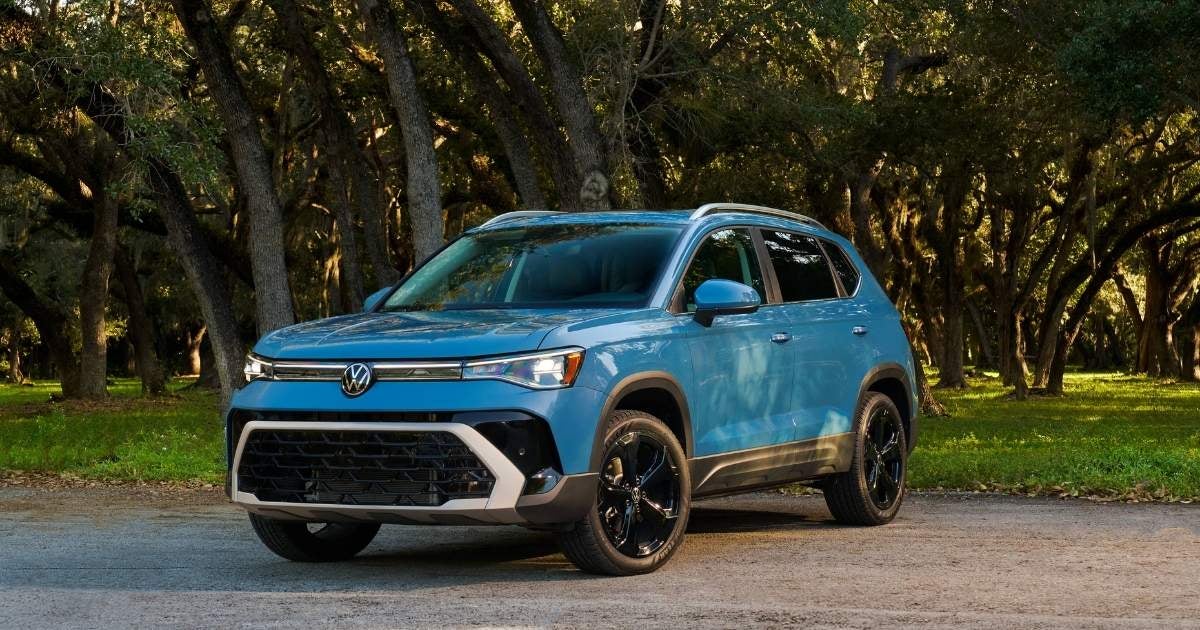
Choosing the right SUV often comes down to how it feels during everyday driving. Many drivers compare the Volkswagen Tiguan and the Toyota RAV4 because both are popular compact SUVs designed for daily comfort, efficiency, and versatility. While they may appear similar on paper, the real difference becomes clear once you consider how each vehicle behaves in changing road conditions.

For drivers in Seattle, WA, this comparison becomes even more relevant. Local roads include steep hills, frequent rain, tight urban streets, and longer commutes to nearby areas like Bellevue and Lynnwood. At University Volkswagen, many customers explore how the Tiguan fits into this lifestyle, especially when paired with helpful tools like the Volkswagen payment calculator, which allows drivers to plan confidently before stepping into the showroom.

How Everyday Driving Experience Is Defined

When drivers ask what “everyday driving experience” really means, the answer is simple. It refers to how a vehicle performs and feels during regular use, which includes ride comfort during long drives, handling in busy streets, visibility during torrential rain, and ease of use thanks to overall responsiveness.

Both the Volkswagen Tiguan and the Toyota RAV4 are well-suited for daily driving, but they approach this goal in different ways. One leans more toward refinement and balance, while the other emphasizes practicality and efficiency.

Ride Comfort And Cabin Feel

Volkswagen Tiguan Focuses On Smoothness

The Volkswagen Tiguan is known for delivering a smooth and composed ride. Its suspension is tuned to absorb bumps and uneven pavement, which can be especially helpful on Seattle’s worn city streets or during rainy conditions. The cabin feels calm and controlled, even during longer drives.

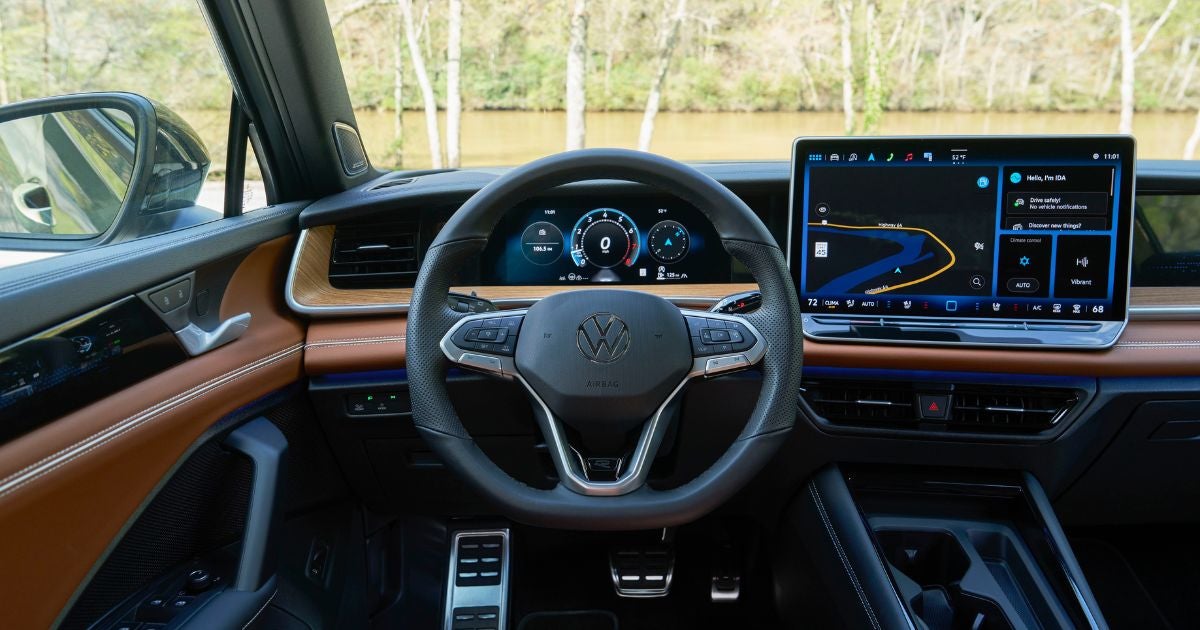
Inside, the Tiguan emphasizes a clean layout and upscale materials. Many drivers notice the quiet cabin, which reduces outside noise and enhances comfort during commutes, creating a more relaxed environment, whether driving through downtown Seattle or heading out on a weekend trip.

Toyota RAV4 Prioritizes Practical Comfort

The Toyota RAV4 offers a comfortable ride, but it often feels firmer and more utility-focused, which benefits drivers who prefer a more connected feel to the road. However, on rough surfaces, the ride may feel slightly more pronounced compared to the Tiguan.

The interior of the RAV4 prioritizes durability and functionality. It handles everyday use with ease, which appeals to drivers who prioritize simplicity and long-term practicality.

Handling And Driving Confidence

Tiguan Delivers Balanced HandlingTiguan Delivers Balanced Handling

One of the standout traits of the Volkswagen Tiguan is its balanced handling. Steering feels precise, and the vehicle remains stable during turns and lane changes, which is especially useful when navigating tight city streets or merging onto busy highways.

Many drivers ask if the Tiguan feels easy to control in wet conditions. The answer is yes. Its composed handling and available all-wheel-drive system help maintain confidence in rainy Seattle weather, making daily driving feel more predictable.

RAV4 Feels More Rugged And Direct

The Toyota RAV4 offers a driving experience that feels more rugged and straightforward. Steering is responsive, but the overall feel is slightly less refined than the Tiguan’s, which is appealing to drivers who want a more traditional SUV-like experience.

While both vehicles provide stability, the RAV4 focuses more on durability and capability, especially in models designed for light off-road use.

Acceleration And Power Delivery

Tiguan Offers Smooth Acceleration

The Volkswagen Tiguan delivers smooth and consistent acceleration, which works well for daily commuting. Whether merging onto I-5 or navigating stop-and-go traffic, the power delivery feels predictable and controlled.

Drivers often wonder if the Tiguan feels responsive enough for city driving. The answer is yes. Its tuning prioritizes comfort and drivability, making it easy to handle in a variety of situations.

RAV4 Emphasizes Efficiency

The Toyota RAV4 focuses more on fuel efficiency and practicality. Acceleration is adequate for everyday use, though it may feel less refined than the Tiguan’s in certain driving situations.

This approach appeals to drivers who prioritize efficiency above all else. However, those who value smoothness may notice the difference.

Interior Technology And Daily Convenience

Tiguan Brings User-Friendly Technology

The Volkswagen Tiguan features intuitive infotainment controls, digital displays, and driver assistance features that are easy to access and use. The layout minimizes distractions, allowing drivers to stay focused on the road.

Technology in the Tiguan supports daily driving by making tasks like navigation, music control, and vehicle settings simple, contributing to a more seamless experience during commutes and errands.

RAV4 Offers Functional Tech Features

The Toyota RAV4 includes a range of practical technology features, though the interface may feel slightly more traditional. It focuses on delivering what drivers need without unnecessary complexity.

Both vehicles provide modern features, but the Tiguan often stands out for its refined presentation and ease of use.

Space And Everyday Practicality

Space And Everyday PracticalityTiguan Provides Flexible Interior Space

The Volkswagen Tiguan is known for its flexible seating and cargo options. It even offers a third-row option in certain configurations, which can be useful for families or those who occasionally need extra seating.

This flexibility makes it easier to adapt the vehicle for daily errands, grocery runs, or weekend trips. The interior layout supports a wide range of lifestyles.

RAV4 Focuses On Cargo Efficiency

The Toyota RAV4 offers strong cargo capacity and straightforward usability. It handles everyday tasks efficiently, from commuting to transporting gear. While it does not offer a third row, its cargo area remains practical and easy to access.

Fuel Efficiency And Daily Costs

Fuel efficiency plays an important role in everyday driving decisions. The Toyota RAV4 is known for its efficient performance, which can benefit drivers with long commutes.

The Volkswagen Tiguan, on the other hand, balances efficiency with refinement and comfort. For many drivers, the difference comes down to priorities. Some focus on maximizing fuel savings, while others value a more comfortable and composed ride.

For those planning their purchase, tools like the Volkswagen payment calculator can help estimate monthly costs and make budgeting more manageable, allowing drivers to consider both the vehicle price and long-term ownership costs in a clear, practical way.

Which SUV Feels Better For Daily Driving

Many drivers ask which SUV feels better overall. The answer depends on what matters most.

The Volkswagen Tiguan stands out for its smooth ride, balanced handling, refined interior, and user-friendly technology. It is well-suited for drivers who want a comfortable, confident experience on daily commutes in Seattle, WA.

The Toyota RAV4 offers practicality, efficiency, and durability, making it a strong choice for drivers who prioritize function and long-term reliability.

Why Test Driving Still Matters

Reading comparisons is helpful, but nothing replaces a real-world experience. A test drive allows drivers to feel the differences in steering response and comfort firsthand.

At University Volkswagen, many customers from Seattle and nearby areas explore the Volkswagen Tiguan in person to see how it fits their daily routine. This step often brings clarity, helping drivers choose the SUV that truly matches their lifestyle.

Understanding these differences makes it easier to move forward with certainty. Whether navigating city streets, dealing with rainy weather, or planning weekend drives, the right SUV should feel like a natural fit for everyday life.

Frequently Asked Questions

Is the Volkswagen Tiguan comfortable for daily commuting?
Drivers experience daily comfort in the Tiguan thanks to its smooth ride, low cabin noise, and supportive seating. It works well for both short trips and longer commutes.
Which SUV handles better in rainy conditions?
Both vehicles perform well, but the Tiguan offers more balanced handling and stability, which can feel more reassuring in wet conditions common in Seattle.
Does the Toyota RAV4 have better fuel efficiency?
The Toyota RAV4 is generally known for strong fuel efficiency, especially for drivers focused on reducing fuel costs.
What makes the Volkswagen Tiguan easier to drive?
The Tiguan provides smooth acceleration, precise steering, and intuitive technology, making it easier to manage in everyday driving situations.
How can I estimate my monthly Volkswagen payment?
You can use a Volkswagen payment calculator to estimate monthly payments based on factors like price, down payment, and financing terms, helping you plan your budget before visiting the dealership.
Posted in:

Related Posts

New Volkswagen Models Explained - A Seattle Buyer's Guide to Choosing and Buying

New Volkswagen Models Explained: A Seattle Buyer's Guide to Choosing and Buying

Choosing a new Volkswagen starts with matching the vehicle's size, driving characteristics, and technology to your daily needs. Seattle shoppers can choose from compact sedans, versatile SUVs, performance-focused hatchbacks, and electric vehicles, each serving a different purpose. The right choice depends on how many passengers you carry, where you park, and which features matter most. At University Volkswagen in Seattle, Washington, you can compare models that fit everything from University District commuting to longer trips around Puget Sound. Understanding the differences before visiting the dealership helps you narrow your options and make a more informed buying decision. Which New Volkswagen Models Should Seattle Buyers Consider? Volkswagen offers several vehicle categories designed around different transportation needs. Rather than starting with the highest trim or largest SUV, consider how you plan to use your vehicle throughout the week. Volkswagen Sedans for Daily Commuting The Volkswagen Jetta offers a practical starting point for shoppers who prefer traditional sedan handling and a manageable exterior footprint. The 2027 Jetta features a 158-horsepower turbocharged engine, an eight-speed automatic transmission, and a 14.1-cubic-foot trunk. Its fuel efficiency and four-door design make it worth considering for regular commuting, while available convenience features can improve everyday usability. For drivers who want more responsive acceleration and sport-oriented handling, the Volkswagen Jetta GLI offers a performance-focused alternative. Volkswagen SUVs for Flexible Space Volkswagen's SUV selection gives shoppers several ways to balance passenger space, cargo capacity, and maneuverability. The 2027 Volkswagen Taos features a 174-horsepower turbocharged engine and available 4MOTION® all-wheel drive. Its compact dimensions suit drivers who regularly use neighborhood streets and parking garages. The 2027 Volkswagen Tiguan provides additional interior flexibility, with up to 69.8 cubic feet of cargo space when the second row is folded. An available 268-horsepower turbocharged engine also gives certain configurations a stronger performance emphasis. Larger households can consider the Volkswagen Atlas, which seats up to seven passengers. The Atlas Cross Sport takes a different approach with two-row seating and a more streamlined exterior. Performance and Electric Volkswagen Options The Volkswagen Golf GTI and Golf R appeal to drivers who prioritize hatchback practicality with more engaging driving dynamics. The GTI uses front-wheel drive, while the Golf R adds performance-oriented 4MOTION all-wheel drive. Electric shoppers may also consider the Volkswagen ID.4 or ID. Buzz, subject to model-year availability. These vehicles replace a gasoline engine with battery-electric propulsion and require a different approach to charging and trip planning. Volkswagen Model Comparison This overview helps narrow the search by everyday use rather than comparing unrelated specifications. Volkswagen model Vehicle type Best suited for Jetta / Jetta GLI Compact sedan Commuting and sedan performance Taos Compact SUV City driving and flexible storage Tiguan Compact SUV Passenger space and varied daily needs Atlas / Atlas Cross Sport Midsize SUVs Family travel or spacious two-row utility Golf GTI / Golf R Performance hatchbacks Sport-oriented driving with hatchback access ID.4 / ID. Buzz Electric vehicles Battery-electric ownership with planned charging Model years, equipment, and local availability vary. Start by reviewing the new Volkswagen inventory at University Volkswagen to identify vehicles worth comparing. How Do You Choose the Right New Volkswagen for Seattle Driving? Seattle presents several practical considerations, including neighborhood parking, hills, wet pavement, and changing passenger needs. Consider Your Daily Driving Environment If you frequently park near the University District or travel through neighborhoods with limited street parking, exterior dimensions deserve attention. A Jetta or Taos may be easier to position in smaller spaces than an Atlas. However, choosing a smaller model also means considering rear-seat access, luggage capacity, and how much equipment you regularly transport. Drivers who frequently carry passengers or bulky items may find a Tiguan or Atlas more suitable. The most useful comparison is between vehicles that can handle your regular tasks without requiring unnecessary compromises. Decide Whether You Need 4MOTION All-Wheel Drive Volkswagen offers 4MOTION® all-wheel drive on select models and configurations. The system helps distribute driving power between the wheels to support traction when conditions change. For Seattle's wet streets and occasional winter travel, all-wheel drive may be worth considering. However, it does not eliminate the need for suitable tires, cautious braking, or additional stopping distance. Front-wheel drive can still be a practical choice for drivers who primarily travel on maintained urban roads. Evaluate Cabin Technology Before Choosing a Trim Volkswagen offers technology such as Digital Cockpit Pro, smartphone integration, and IQ.DRIVE® driver assistance features across applicable vehicles. Feature availability depends on the model year, trim, and equipment package. IQ.DRIVE features can assist with selected driving tasks but still require an attentive driver. During a test drive, check whether you can operate the touchscreen, adjust climate settings, read navigation information, and connect your phone without difficulty. Seattle Driving Priorities Driving situation What to evaluate Why it matters Urban parking Exterior dimensions and visibility Easier positioning in limited spaces Wet-weather driving Tires, traction, and available AWD Helps assess changing road conditions Family transportation Seating access and cargo layout Supports passengers and everyday equipment Longer regional trips Driving range and storage Reduces planning compromises Daily commuting Fuel or charging needs Helps estimate ongoing ownership costs The right configuration should work for your normal routine rather than only for occasional trips. How Should You Budget for a New Volkswagen Purchase? A vehicle's purchase price is only one part of its overall cost. Insurance, fuel or electricity, maintenance, registration, and financing terms can all affect your budget. Before choosing a Volkswagen trim, establish a monthly payment range that leaves room for these expenses. Compare Financing and Leasing Financing lets you purchase the vehicle through a loan. Your payment depends on factors such as the amount financed, interest rate, and repayment term. Once the loan is fully repaid, you own the vehicle. Leasing generally involves making payments for the vehicle's use during an agreed period. Lease agreements include conditions such as mileage allowances, excess wear charges, and end-of-term obligations. Neither approach automatically costs less in every situation. University Volkswagen offers a Volkswagen payment calculator that lets shoppers estimate payments using different loan amounts, down payments, trade-in estimates, terms, and interest rates. These calculations are planning tools, not financing offers or guarantees. Review Available Offers and Ownership Costs Promotional financing and lease incentives may influence your decision, but eligibility and offer terms matter. Compare the total cost rather than selecting an option based solely on its advertised monthly payment. Volkswagen also provides Carefree Scheduled Maintenance for eligible model year 2020 and newer vehicles. The program covers specified 10,000-mile and 20,000-mile maintenance services, or two years, whichever occurs first, according to the vehicle's maintenance booklet. Tire rotations and services outside the stated program coverage are excluded. Before purchasing, confirm the exact vehicle's maintenance requirements and applicable coverage. What Should You Check Before Buying a New Volkswagen? Once you have identified two or three promising vehicles, compare their actual equipment rather than relying only on model descriptions. Begin with a test drive. Check outward visibility, seat adjustment, steering response, braking feel, and how easily you can park the vehicle. If you regularly carry passengers, have them evaluate the available seating space. Bring measurements for large items you expect to transport. For electric models, consider whether dependable charging fits your living situation. Home charging access, public charging compatibility, driving range, and charging time all deserve review before purchase. Confirm the Vehicle and Financing Details Before completing a purchase, review the vehicle identification number, model year, trim, optional packages, warranty information, and final paperwork. Ask for an itemized purchase breakdown that identifies applicable taxes, fees, accessories, optional products, and financing terms. You can also explore the dealership's Volkswagen financing resources to prepare for discussions about loan options. An application does not guarantee approval, and final financing terms depend on lender requirements and your individual circumstances. Find Your Next Volkswagen at University Volkswagen The right Volkswagen should support your daily routine while leaving room for the activities that matter most to you. Whether you prefer the Jetta's sedan layout, the Taos's compact SUV design, or the Atlas's three-row flexibility, a direct comparison can make your decision easier. University Volkswagen serves Seattle-area shoppers from its University District location at 4724 Roosevelt Way NE. Explore the dealership's current new Volkswagen specials, confirm available models and offer terms, or call the sales department at 206-866-7860 to discuss a test drive. Comparing vehicles in person can help you select the model and configuration that best match your needs. Frequently Asked Questions About Buying a New Volkswagen What is the best Volkswagen for driving in Seattle? The best choice depends on your passenger needs, parking situation, and driving habits. The Jetta suits shoppers who prefer a sedan, while the Taos provides compact SUV flexibility. Drivers who need more passenger or cargo space may prefer the Tiguan or Atlas. Comparing dimensions and test-driving each option helps determine the right fit. Is Volkswagen 4MOTION all-wheel drive necessary in Seattle? No, all-wheel drive is not necessary for every Seattle driver. Volkswagen 4MOTION can support traction in changing conditions, but front-wheel-drive models remain practical for many urban trips. Tire condition and responsible driving are important regardless of drivetrain. Consider how frequently you travel in winter conditions before deciding. Should I lease or finance a new Volkswagen? Financing may suit drivers who want long-term ownership and freedom from lease mileage restrictions. Leasing may appeal to shoppers who prefer changing vehicles periodically and can stay within contractual limits. Compare total payments, financing charges, mileage restrictions, and end-of-term responsibilities before choosing either arrangement. What should I bring when shopping for a new Volkswagen? Bring a valid driver's license for a potential test drive and relevant financial documents if you plan to apply for financing. If you have a trade-in, bring its registration and available loan information. You should also prepare questions about equipment, warranty coverage, vehicle availability, and the final purchase breakdown. Are new Volkswagen vehicles covered by scheduled maintenance? Eligible model year 2020 and newer Volkswagen vehicles include Carefree Scheduled Maintenance for the specified 10,000-mile and 20,000-mile services, or two years, whichever comes first. Coverage follows the vehicle's maintenance booklet and excludes tire rotations and unrelated services. Confirm eligibility and coverage for the exact vehicle before purchasing. Can I compare Volkswagen models before visiting the dealership? Yes. You can research Volkswagen model specifications, compare trim features, and review dealership inventory online before visiting. However, equipment and availability may change. Confirm that your preferred model, trim, drivetrain, and options are available, then arrange a test drive to evaluate the vehicle directly.

The Complete Volkswagen Taos Buyer’s Guide

The Complete Volkswagen Taos Buyer’s Guide: Performance, Space, and Seattle Commuter Practicality

Seattle asks a lot of a daily vehicle. Drivers may spend Monday navigating tight streets near the University District, cross Lake Washington later in the week, and load up for a weekend outside the city by Friday. A vehicle that works here needs to be easy to maneuver without feeling cramped, efficient enough for regular commuting, and versatile enough for Pacific Northwest recreation. The Volkswagen Taos approaches that challenge as a compact SUV with seating for five, a turbocharged engine, useful cargo capacity, and available all-wheel drive. Its relatively compact exterior helps around Seattle, while the interior offers enough passenger and storage space for everyday life. For shoppers deciding whether they really need a larger SUV, the Taos offers an appealing middle ground. How Does the Volkswagen Taos Perform? Current Volkswagen Taos models are powered by a 1.5-liter turbocharged four-cylinder engine rated at 174 horsepower and 184 lb-ft of torque. Power is delivered through an eight-speed automatic transmission. Those numbers translate into performance aimed primarily at daily usability rather than aggressive driving. Turbocharging helps provide useful response when accelerating onto I-5, passing slower traffic, or climbing Seattle's hills. The automatic transmission also keeps operation straightforward in stop-and-go commuting. Performance Feature Volkswagen Taos Engine 1.5-liter turbocharged 4-cylinder Horsepower 174 hp Torque 184 lb-ft Transmission 8-speed automatic Drivetrain FWD or available 4MOTION AWD Seating 5 passengers Drivers should think about their normal routes when choosing a drivetrain. Front-wheel drive can be a sensible choice for commuters focused on efficiency. In contrast, available 4MOTION all-wheel drive adds another level of traction capability for drivers who frequently encounter changing road conditions. Is 4MOTION Worth Considering Around Seattle? Seattle's rain alone does not make all-wheel drive mandatory. Good tires, appropriate speeds, and attentive driving remain essential regardless of drivetrain. However, AWD can help manage power delivery when accelerating on slippery surfaces. The argument becomes stronger for drivers who regularly leave the city. Trips toward Snoqualmie Pass, Stevens Pass, or other higher-elevation destinations can introduce snow and rapidly changing conditions. 4MOTION can make the Taos more versatile for year-round Pacific Northwest travel, although it does not replace proper winter tires when conditions require them. Is the Taos Easy to Drive in Seattle? Compact dimensions are one of the Taos's biggest everyday advantages. At about 175.9 inches long, it provides the elevated seating position and versatility drivers expect from an SUV without requiring the footprint of a midsize three-row model. That difference can matter when searching for street parking in Capitol Hill, maneuvering through crowded downtown garages, or navigating narrow neighborhood streets. The Taos also has a turning diameter of 35.1 feet for curb-to-curb and approximately 37.6 feet for wall-to-wall clearances, supporting relatively easy low-speed maneuvering. For commuters, practicality also includes fuel consumption. Current front-wheel-drive models can achieve an EPA-estimated 28 mpg city and 36 mpg highway, while 4MOTION versions are rated at approximately 25 mpg city and 33 mpg highway. Actual mileage varies with traffic, weather, driving habits, vehicle condition, and other factors. How Much Passenger and Cargo Space Does the Taos Have? Compact does not necessarily mean cramped. The Taos accommodates five people and provides 37.9 inches of second-row legroom, giving adult passengers useful space behind the front seats. Cargo capacity varies with drivetrain and configuration. Front-wheel-drive versions provide up to 27.9 cubic feet behind the second row and 65.9 cubic feet with the rear seating folded. Current 4MOTION configurations provide approximately 24.9 cubic feet behind the rear seats and up to 60.2 cubic feet with them folded. Space Feature Taos FWD Taos 4MOTION Passenger Capacity 5 5 Cargo Behind Rear Seats Up to 27.9 cu. ft. Approx. 24.9 cu. ft. Maximum Cargo Space Up to 65.9 cu. ft. Approx. 60.2 cu. ft. Second-Row Legroom 37.9 in. 37.9 in. Split-Folding Rear Seat Yes Yes Why does that matter in real life? The cargo area can accommodate groceries and work bags during the week, then adapt for luggage, hiking equipment, camping supplies, or other recreational gear when the rear seats are folded. Which Volkswagen Taos Trim Is Right for You? The Taos lineup gives buyers several ways to balance price, appearance, and technology. Current models are offered in S, SE, SE Black, and SEL configurations. The S covers everyday essentials, while the SE adds convenience and comfort equipment. SE Black emphasizes distinctive exterior styling, and SEL sits at the upper end of the range with additional premium equipment and standard 4MOTION. Trim Best Suited For S Value-focused everyday driving SE Added comfort and convenience SE Black Drivers wanting sportier visual details SEL Premium features and standard AWD Exact equipment can change by model year and vehicle configuration. Buyers should check the specifications of the individual Taos they are considering rather than assuming every feature is included across all trims. What Technology Does the Taos Offer? Technology matters particularly for commuters who spend significant time in their vehicles. The Taos combines touchscreen infotainment with smartphone connectivity and a digital instrument display, helping drivers access frequently used information without unnecessarily complicated controls. Depending on trim, available upgrades can include a larger Digital Cockpit Pro, wireless device charging, navigation, and upgraded audio. These features can make a difference when commuting between Seattle and Bellevue or taking longer drives around Washington. Usability matters more than screen size. A good commuter vehicle should make navigation, communication, vehicle information, and entertainment easy to access while keeping the driver focused on the road. What Safety and Driver Assistance Features Are Included? The Taos also includes Volkswagen's IQ.DRIVE driver-assistance technologies. Depending on the configuration, these systems can help maintain following distance, monitor surrounding traffic, stay within marked lanes, and respond to potential hazards. Key technologies include Adaptive Cruise Control, Lane Assist, Front Assist, Rear Traffic Alert, and Active Blind Spot Monitor. Travel Assist can combine certain steering and speed-support functions during suitable driving situations. Driver-assistance technology does not make the Taos autonomous. The person behind the wheel remains responsible for controlling the vehicle, watching traffic, and responding to road conditions. That distinction matters in Seattle, where cyclists, pedestrians, construction, rain, and dense traffic can create rapidly changing situations. Does the Volkswagen Taos Make Sense for Seattle Commuters? For many drivers, the answer comes down to balance. The Taos is small enough to remain manageable in an urban environment but spacious enough to handle passengers and substantial cargo. Its turbocharged engine provides useful everyday power, while its fuel economy helps drivers who regularly cover long commutes. Available 4MOTION also broadens its appeal beyond city driving. Someone commuting around Seattle during the week can use the same vehicle for a winter trip toward the mountains or a summer weekend exploring the Olympic Peninsula. University Volkswagen has worked with drivers in Seattle and surrounding Puget Sound communities for generations, giving its team practical familiarity with how Volkswagen vehicles fit local driving conditions. Shoppers can compare Taos trims, evaluate front-wheel drive against 4MOTION, estimate a trade-in, explore financing, and arrange a test drive before deciding which configuration fits their routine. Ultimately, the Volkswagen Taos succeeds by combining city-friendly dimensions with SUV versatility. For drivers who don't need the extra size of a Tiguan or Atlas but still want passenger room, flexible storage, modern technology, and available AWD, it deserves a close look. Frequently Asked Questions Is the Volkswagen Taos good for commuting in Seattle? Yes. The Volkswagen Taos combines compact exterior dimensions, competitive fuel economy, useful passenger space, and modern driver-assistance technology. Those qualities make it particularly practical for urban commuting and regional travel. How much horsepower does the Volkswagen Taos have? Under the hood, current Volkswagen Taos models feature a 1.5-liter turbocharged four-cylinder engine that generates 174 horsepower and 184 lb-ft of torque. An eight-speed automatic transmission manages power delivery. How much cargo space does the Volkswagen Taos have? Cargo capacity depends on the drivetrain. Front-wheel-drive models offer up to 27.9 cubic feet behind the rear seats and 65.9 cubic feet with them folded, while current 4MOTION models provide approximately 24.9 and 60.2 cubic feet, respectively. Does the Volkswagen Taos have all-wheel drive? Yes. 4MOTION all-wheel drive is available on multiple Taos configurations and standard on the current SEL. It can be especially useful for Seattle-area drivers who frequently travel into areas with changing weather or winter conditions. What is the fuel economy of the Volkswagen Taos? Current front-wheel-drive models are EPA-estimated at up to 28 mpg city and 36 mpg highway. Current 4MOTION models are rated at approximately 25 mpg city and 33 mpg highway. Is the Volkswagen Taos smaller than the Tiguan? Yes. The Taos is positioned below the Tiguan in Volkswagen's SUV lineup. Its smaller exterior footprint favors city maneuverability, while the Tiguan offers more space for drivers with greater passenger and cargo needs. Where can I compare Volkswagen Taos trims in Seattle? University Volkswagen in Seattle's University District offers Taos models and can help drivers compare trims, drivetrains, features, financing choices, and trade-in options. A test drive also helps you determine how the Taos fits your commute and everyday driving needs.

dashboard warning light

The "Why Is My Light On?" Guide

A dashboard warning light means your Volkswagen's sensors detected something that needs attention. Red lights, like oil pressure or engine temperature, require immediate action. Amber lights mean you should schedule VW service soon. Green and blue lights are informational. When in doubt, have a certified technician run a diagnostic inspection. That little glowing symbol on your dashboard can feel like a mystery. One day your Volkswagen is driving normally, and the next, an amber light appears, and you are not sure what it means or whether you should keep driving. The good news is that most warning lights are not emergencies. They are your car's way of telling you something needs attention, and the sooner you understand what it is saying, the easier it is to handle. This guide walks through the most common dashboard warning lights you will see in a Volkswagen, what each one means, and when you should schedule a service. Why Dashboard Lights Exist Modern Volkswagens are packed with sensors that monitor everything from engine temperature to tire pressure to brake wear. When a sensor detects something outside its normal range, it turns on a warning light to get your attention. Think of these lights as a communication system. Your car is not trying to alarm you. It is trying to tell you that a small issue exists now so you can address it before it becomes a big one. The color of the light matters. A red light usually means something needs attention right away, like low oil pressure or an overheated engine. An amber or yellow light means something should be checked soon, but it is generally safe to drive carefully to a service center. A green or blue light is informational, like your high beams being on or your cruise control being active. Understanding this color system is the first step to knowing how to react. The Most Common Volkswagen Warning Lights Every Volkswagen model shares a similar set of warning lights, whether you drive a Jetta, Tiguan, Atlas, Taos, or Golf GTI. Here are the ones you are most likely to see and what they mean. Check Engine Light The check engine light is the one that causes the most worry, and it is also the one with the widest range of possible causes. It can mean something as simple as a loose gas cap, or it can point to a more involved issue with the engine or emissions system. The light may come on steady, or it may flash. A flashing check engine light is more serious and usually means the engine is misfiring, which can damage the catalytic converter if ignored. If it is flashing, it is best to reduce speed and have the vehicle looked at promptly. When the light is steady, you can usually continue driving, but you should schedule a diagnostic inspection soon. A technician can read the trouble codes stored in your vehicle's computer to pinpoint the cause. It is worth noting that a steady check engine light will not always make the car drive differently. The engine may feel completely normal, which is why some drivers are tempted to ignore it. That is not a good idea, because the underlying issue can get worse over time. Oil Pressure Warning Light This is one of the red lights that deserves immediate attention. The oil pressure warning light looks like a small oil can with a drop coming out of the spout. It means the engine is not getting enough oil pressure, which can cause serious damage if you keep driving. If this light comes on, pull over safely, turn off the engine, and check the oil level once the car has cooled. If the level looks fine and the light stays on, do not drive the vehicle. Have it towed to a service center. Low oil pressure can be caused by low oil level, a leak, or a problem with the oil pump. None of these are things to ignore, because the engine relies on oil to lubricate its moving parts. Running an engine without proper oil pressure is one of the fastest ways to cause expensive damage. Tire Pressure Monitoring System Light The tire pressure light looks like a horseshoe with an exclamation point in the middle. It means one or more of your tires is significantly underinflated. This is common in the Pacific Northwest, where temperature swings can cause tire pressure to drop. Cold weather, in particular, can lower tire pressure by a noticeable amount. When this light comes on, check your tire pressures and add air to bring them to the level listed on the sticker inside your driver's door frame. If the light stays on after you have filled the tires, or if it comes back shortly after, you may have a slow leak that needs attention. Proper tire pressure matters for handling, fuel economy, and tire life, so it is worth staying on top of. Brake Warning Light The brake warning light can mean a few different things depending on how it appears. If it comes on with the parking brake engaged, releasing the brake should turn it off. If it stays on after the parking brake is released, it may indicate low brake fluid or a problem with the braking system. Because brakes are so important to safety, this light should never be ignored. If it comes on while driving, have the vehicle inspected as soon as possible. Battery or Charging System Light This light looks like a small battery with a plus and minus sign. It means the charging system is not working properly, which could be a failing alternator, a weak battery, or a loose connection. If this light comes on, the vehicle may continue to run for a while on battery power, but it will eventually lose power if the battery is not being recharged. It is best to have the charging system checked promptly, especially before a long drive. Coolant Temperature Warning Light The coolant temperature light looks like a thermometer sitting in wavy lines. It can appear blue when the engine is cold, which is normal and just means the engine is warming up. If it turns red, the engine is running too hot. An overheated engine can cause serious damage, so if the red light comes on, pull over safely, turn off the engine, and let it cool down before checking the coolant level. Do not open the radiator cap while the engine is hot, as the system is under pressure. Washer Fluid Light This one is simple. The washer fluid light means your windshield washer fluid is low. It is not an emergency, but in Seattle, where rain and road spray are common, keeping washer fluid topped off is a practical habit. You can usually top this off yourself in a few minutes. What to Do When a Light Comes On When a warning light appears, the first thing to do is stay calm. Most lights do not require you to pull over immediately. Here is a simple way to think about it. If the light is red, pull over when it is safe and turn off the engine. Red lights indicate something that needs attention right away, like oil pressure, engine temperature, or a serious brake issue. If the light is amber or yellow, you can usually continue driving carefully, but you should schedule an inspection soon. If the light is green or blue, it is informational and no action is needed. It also helps to pay attention to how the vehicle is behaving. If a light comes on and the car is also making an unusual noise, vibrating, losing power, or overheating, that is a stronger signal that you should stop driving and get help. If the car feels normal and the light is steady and amber, you have time to plan a service visit. Why You Should Not Ignore Warning Lights It can be tempting to ignore a warning light, especially if the car seems to be driving fine. But warning lights rarely mean nothing. They are triggered by a sensor detecting a real condition, and that condition usually does not improve on its own. A small issue caught early is often a quick and inexpensive fix. The same issue left alone can turn into a larger repair. For example, a tire pressure light that is ignored can lead to uneven tire wear and a blowout risk. A check engine light that is ignored can hide a failing component that eventually leaves you stranded. Addressing warning lights promptly is one of the simplest ways to protect your Volkswagen and avoid surprise repair bills. How a Diagnostic Inspection Works When you bring your Volkswagen in for a diagnostic inspection, a technician connects a scan tool to your vehicle's onboard computer. This tool reads the trouble codes that triggered the warning light. Those codes point the technician toward the affected system, but they are only the starting point. A good technician also inspects the related components to confirm the cause before recommending a repair. This is why it is worth having diagnostics done by technicians who work on Volkswagens regularly. They know the common issues for each model and can interpret the codes accurately. At University Volkswagen, our VW-certified technicians handle diagnostics for all Volkswagen models, from the ID.4 to the Atlas. Keeping Your Volkswagen Healthy Between Warning Lights The best way to deal with warning lights is to prevent them in the first place. Routine maintenance catches small issues before they trigger a warning light. Following the service intervals in your owner's manual helps keep your engine, brakes, tires, and fluids in good shape. For a full look at how to keep your Volkswagen running well, The Seattle Guide to Volkswagen Service: How to Schedule, Maintain, and Protect Your Volkswagen covers the complete maintenance picture. Here are a few simple habits that help: Habit Why It Helps Check tire pressure monthly Prevents tire pressure warning light and uneven wear Keep washer fluid topped off Avoids the washer fluid light and keeps visibility clear Follow oil change intervals Prevents oil pressure issues and supports engine health Watch for unusual noises Catches problems before a warning light appears Address lights promptly Prevents small issues from becoming large repairs When to Schedule a Service The short answer is that you should schedule service as soon as you notice a warning light, especially if it is red or if the vehicle is behaving differently. For amber lights, you have a little more time, but it is still best to book an appointment within a week or two. Waiting too long can turn a minor issue into a major one. You should also schedule service on a regular schedule, not just when a light comes on. Routine maintenance like oil changes, tire rotations, and inspections keeps your Volkswagen running as designed and helps you catch wear early. If you are not sure when your vehicle is due for service, your owner's manual has the recommended intervals, and our service team can help you figure out what your specific model needs. Get Your Volkswagen Checked at University Volkswagen Warning lights are not something to fear, but they are something to take seriously. Understanding what they mean and acting on them promptly is the best way to keep your Volkswagen reliable and avoid larger repairs down the road. If a light has come on in your vehicle, our VW-certified technicians can run a diagnostic inspection, explain what is going on in plain language, and recommend the right fix. You can schedule VW service online at University Volkswagen in Seattle, or call our service team at 206-866-7868. We are located at 4724 Roosevelt Way NE. Whether you need a quick diagnostic or routine maintenance, we are here to help. Frequently Asked Questions What does a flashing check engine light mean? A flashing check engine light is more serious than a steady one. It usually means the engine is misfiring, which can damage the catalytic converter. Reduce your speed and have the vehicle inspected promptly. Can I keep driving with the check engine light on? If the light is steady and the car is driving normally, you can usually continue driving carefully, but you should schedule a diagnostic inspection soon. If the light is flashing, or if the car is running poorly, it is best to have it checked right away. Why did my tire pressure light come on in cold weather? Cold temperatures cause air to contract, which lowers tire pressure. This is common in the Pacific Northwest during fall and winter. Check your tire pressures and add air to the recommended level. What should I do if the oil pressure light comes on? Pull over safely, turn off the engine, and check the oil level once the car has cooled. If the level is fine and the light stays on, do not drive the vehicle. Have it towed to a service center. How much does a diagnostic inspection cost? Diagnostic fees can vary, and the cost depends on the time needed to identify the issue. Our service team can give you a clear estimate before any work begins, so you know what to expect. Is a warning light always an emergency? No. Green and blue lights are informational. Amber lights mean something should be checked soon. Only red lights, like oil pressure or engine temperature, require immediate attention.