

Choosing a new Volkswagen starts with matching the vehicle's size, driving characteristics, and technology to your daily needs. Seattle shoppers can choose from compact sedans, versatile SUVs, performance-focused hatchbacks, and electric vehicles, each serving a different purpose. The right choice depends on how many passengers you carry, where you park, and which features matter most.
At University Volkswagen in Seattle, Washington, you can compare models that fit everything from University District commuting to longer trips around Puget Sound. Understanding the differences before visiting the dealership helps you narrow your options and make a more informed buying decision.
Which New Volkswagen Models Should Seattle Buyers Consider?
Volkswagen offers several vehicle categories designed around different transportation needs. Rather than starting with the highest trim or largest SUV, consider how you plan to use your vehicle throughout the week.
Volkswagen Sedans for Daily Commuting
The Volkswagen Jetta offers a practical starting point for shoppers who prefer traditional sedan handling and a manageable exterior footprint. The 2027 Jetta features a 158-horsepower turbocharged engine, an eight-speed automatic transmission, and a 14.1-cubic-foot trunk.
Its fuel efficiency and four-door design make it worth considering for regular commuting, while available convenience features can improve everyday usability. For drivers who want more responsive acceleration and sport-oriented handling, the Volkswagen Jetta GLI offers a performance-focused alternative.
Volkswagen SUVs for Flexible Space
Volkswagen's SUV selection gives shoppers several ways to balance passenger space, cargo capacity, and maneuverability.
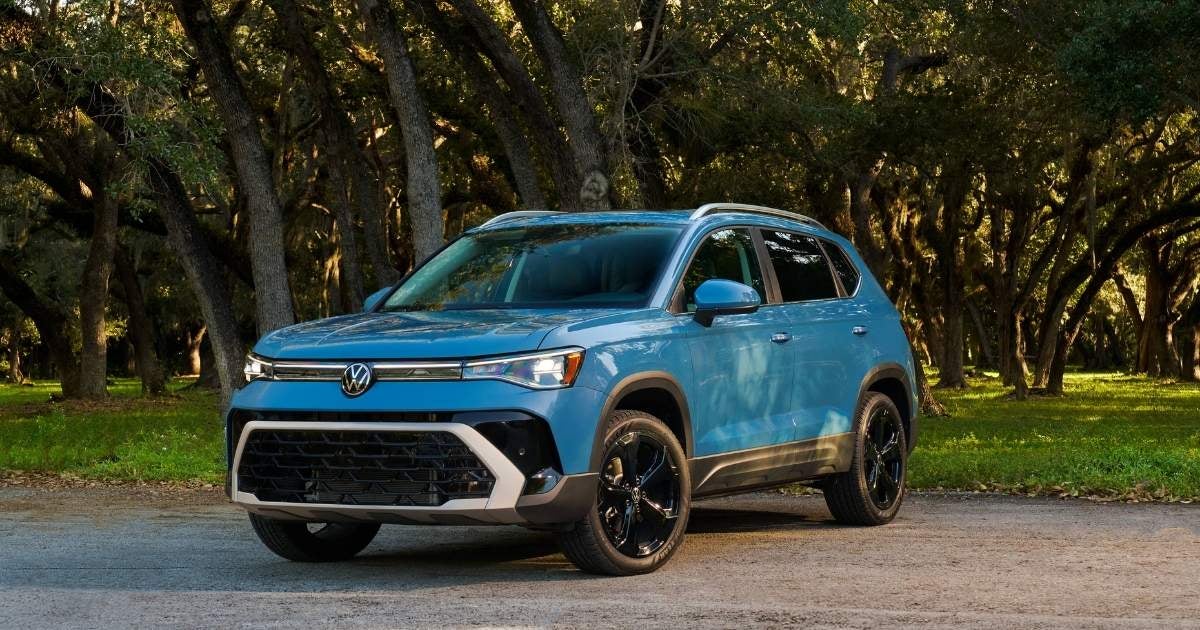
The 2027 Volkswagen Taos features a 174-horsepower turbocharged engine and available 4MOTION® all-wheel drive. Its compact dimensions suit drivers who regularly use neighborhood streets and parking garages.
The 2027 Volkswagen Tiguan provides additional interior flexibility, with up to 69.8 cubic feet of cargo space when the second row is folded. An available 268-horsepower turbocharged engine also gives certain configurations a stronger performance emphasis.
Larger households can consider the Volkswagen Atlas, which seats up to seven passengers. The Atlas Cross Sport takes a different approach with two-row seating and a more streamlined exterior.
Performance and Electric Volkswagen Options
The Volkswagen Golf GTI and Golf R appeal to drivers who prioritize hatchback practicality with more engaging driving dynamics. The GTI uses front-wheel drive, while the Golf R adds performance-oriented 4MOTION all-wheel drive.
Electric shoppers may also consider the Volkswagen ID.4 or ID. Buzz, subject to model-year availability. These vehicles replace a gasoline engine with battery-electric propulsion and require a different approach to charging and trip planning.
Volkswagen Model Comparison
This overview helps narrow the search by everyday use rather than comparing unrelated specifications.
| Volkswagen model | Vehicle type | Best suited for |
|---|---|---|
| Jetta / Jetta GLI | Compact sedan | Commuting and sedan performance |
| Taos | Compact SUV | City driving and flexible storage |
| Tiguan | Compact SUV | Passenger space and varied daily needs |
| Atlas / Atlas Cross Sport | Midsize SUVs | Family travel or spacious two-row utility |
| Golf GTI / Golf R | Performance hatchbacks | Sport-oriented driving with hatchback access |
| ID.4 / ID. Buzz | Electric vehicles | Battery-electric ownership with planned charging |
Model years, equipment, and local availability vary. Start by reviewing the new Volkswagen inventory at University Volkswagen to identify vehicles worth comparing.
How Do You Choose the Right New Volkswagen for Seattle Driving?
Seattle presents several practical considerations, including neighborhood parking, hills, wet pavement, and changing passenger needs.
Consider Your Daily Driving Environment
If you frequently park near the University District or travel through neighborhoods with limited street parking, exterior dimensions deserve attention.
A Jetta or Taos may be easier to position in smaller spaces than an Atlas. However, choosing a smaller model also means considering rear-seat access, luggage capacity, and how much equipment you regularly transport.
Drivers who frequently carry passengers or bulky items may find a Tiguan or Atlas more suitable. The most useful comparison is between vehicles that can handle your regular tasks without requiring unnecessary compromises.
Decide Whether You Need 4MOTION All-Wheel Drive
Volkswagen offers 4MOTION® all-wheel drive on select models and configurations. The system helps distribute driving power between the wheels to support traction when conditions change.
For Seattle's wet streets and occasional winter travel, all-wheel drive may be worth considering. However, it does not eliminate the need for suitable tires, cautious braking, or additional stopping distance. Front-wheel drive can still be a practical choice for drivers who primarily travel on maintained urban roads.
Evaluate Cabin Technology Before Choosing a Trim
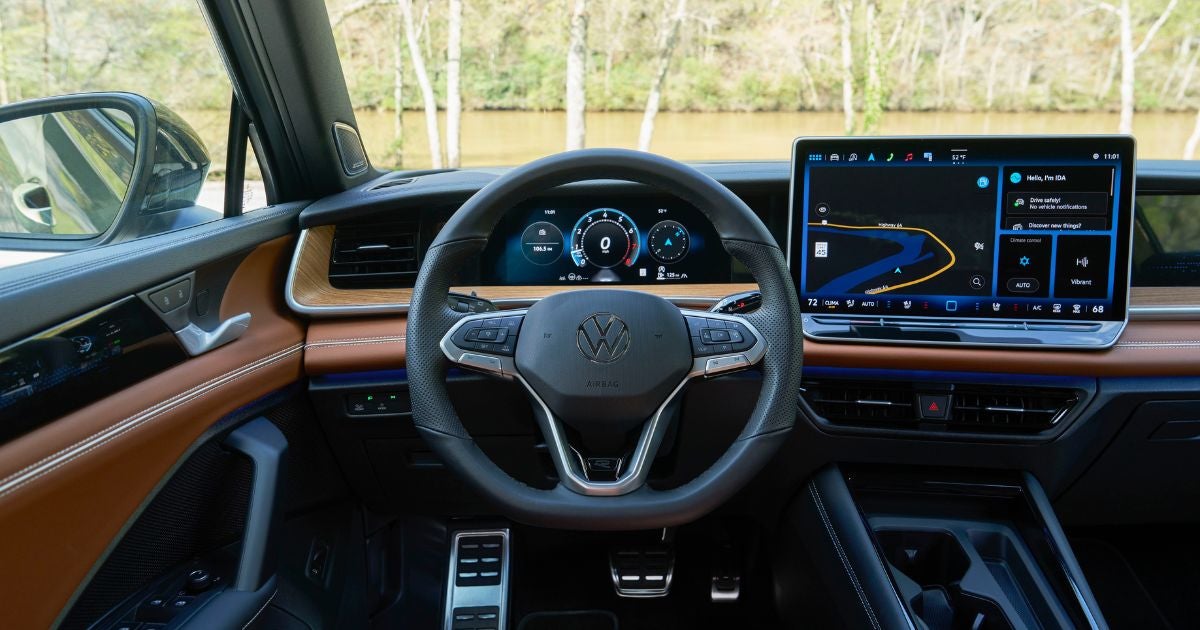
Volkswagen offers technology such as Digital Cockpit Pro, smartphone integration, and IQ.DRIVE® driver assistance features across applicable vehicles.
Feature availability depends on the model year, trim, and equipment package. IQ.DRIVE features can assist with selected driving tasks but still require an attentive driver.
During a test drive, check whether you can operate the touchscreen, adjust climate settings, read navigation information, and connect your phone without difficulty.
Seattle Driving Priorities
| Driving situation | What to evaluate | Why it matters |
|---|---|---|
| Urban parking | Exterior dimensions and visibility | Easier positioning in limited spaces |
| Wet-weather driving | Tires, traction, and available AWD | Helps assess changing road conditions |
| Family transportation | Seating access and cargo layout | Supports passengers and everyday equipment |
| Longer regional trips | Driving range and storage | Reduces planning compromises |
| Daily commuting | Fuel or charging needs | Helps estimate ongoing ownership costs |
The right configuration should work for your normal routine rather than only for occasional trips.
How Should You Budget for a New Volkswagen Purchase?
A vehicle's purchase price is only one part of its overall cost. Insurance, fuel or electricity, maintenance, registration, and financing terms can all affect your budget. Before choosing a Volkswagen trim, establish a monthly payment range that leaves room for these expenses.
Compare Financing and Leasing
Financing lets you purchase the vehicle through a loan. Your payment depends on factors such as the amount financed, interest rate, and repayment term. Once the loan is fully repaid, you own the vehicle.
Leasing generally involves making payments for the vehicle's use during an agreed period. Lease agreements include conditions such as mileage allowances, excess wear charges, and end-of-term obligations.
Neither approach automatically costs less in every situation. University Volkswagen offers a Volkswagen payment calculator that lets shoppers estimate payments using different loan amounts, down payments, trade-in estimates, terms, and interest rates.
These calculations are planning tools, not financing offers or guarantees.
Review Available Offers and Ownership Costs
Promotional financing and lease incentives may influence your decision, but eligibility and offer terms matter. Compare the total cost rather than selecting an option based solely on its advertised monthly payment.
Volkswagen also provides Carefree Scheduled Maintenance for eligible model year 2020 and newer vehicles. The program covers specified 10,000-mile and 20,000-mile maintenance services, or two years, whichever occurs first, according to the vehicle's maintenance booklet.
Tire rotations and services outside the stated program coverage are excluded. Before purchasing, confirm the exact vehicle's maintenance requirements and applicable coverage.
What Should You Check Before Buying a New Volkswagen?
Once you have identified two or three promising vehicles, compare their actual equipment rather than relying only on model descriptions. Begin with a test drive. Check outward visibility, seat adjustment, steering response, braking feel, and how easily you can park the vehicle.
If you regularly carry passengers, have them evaluate the available seating space. Bring measurements for large items you expect to transport. For electric models, consider whether dependable charging fits your living situation. Home charging access, public charging compatibility, driving range, and charging time all deserve review before purchase.
Confirm the Vehicle and Financing Details
Before completing a purchase, review the vehicle identification number, model year, trim, optional packages, warranty information, and final paperwork. Ask for an itemized purchase breakdown that identifies applicable taxes, fees, accessories, optional products, and financing terms.
You can also explore the dealership's Volkswagen financing resources to prepare for discussions about loan options. An application does not guarantee approval, and final financing terms depend on lender requirements and your individual circumstances.
Find Your Next Volkswagen at University Volkswagen
The right Volkswagen should support your daily routine while leaving room for the activities that matter most to you. Whether you prefer the Jetta's sedan layout, the Taos's compact SUV design, or the Atlas's three-row flexibility, a direct comparison can make your decision easier.
University Volkswagen serves Seattle-area shoppers from its University District location at 4724 Roosevelt Way NE. Explore the dealership's current new Volkswagen specials, confirm available models and offer terms, or call the sales department at 206-866-7860 to discuss a test drive. Comparing vehicles in person can help you select the model and configuration that best match your needs.