

VW financing options provide drivers with the flexibility to own a well-engineered vehicle with a clear long-term plan in mind. One of the most important steps in protecting that investment is following the recommended maintenance schedule. Whether you’re commuting through Seattle or taking weekend trips around the Pacific Northwest, understanding when to service your Volkswagen can significantly impact its performance and longevity.
At University Volkswagen, we understand that questions like “When should I service my car?” or “What does each maintenance interval include?” are frequently asked. A detailed maintenance plan not only answers these questions, but it also helps drivers plan costs and avoid surprises down the road.
Why Routine Maintenance Matters
Every Volkswagen delivers efficient, safe, and responsive driving. However, regular use naturally leads to wear and tear. Without timely maintenance, even the most well-made vehicle will begin to lose performance. Oil breaks down, brake pads wear thin, and fluids degrade. These changes may not be immediately noticeable, but over time, they can affect drivability and safety.
Staying on schedule ensures that each system in your Volkswagen functions properly. More importantly, it supports your vehicle’s resale value and reduces long-term repair costs. Many drivers ask, “Can skipping service affect VW financing or warranty coverage?” The answer is yes. Failing to maintain routine service may compromise coverage or result in higher ownership expenses.
Key Milestones In The Volkswagen Maintenance Plan
Volkswagen offers a straightforward, mileage-based maintenance schedule designed to simplify care for drivers. While exact service items vary slightly by model, most VW vehicles follow a pattern that begins at 10,000 miles and repeats every 10,000 miles thereafter.
At 10,000 miles, basic inspections and an oil change are essential, and this includes checking tire pressure, brakes, battery condition, and fluid levels. Early services help identify minor issues before they escalate into major problems.
By 20,000 miles, your Volkswagen will need a more comprehensive inspection. In addition to another oil change, technicians check the cooling system, drive belts, suspension components, and cabin air filter. This visit gives you a clear picture of how your car is aging with regular use.
One question drivers often ask is “When do I need a brake fluid change?” The answer typically falls at 30,000 to 40,000 miles, depending on your driving conditions. Your service technician will guide you through timing adjustments based on wear and fluid testing results.
Long-Term Volkswagen Care
Once your Volkswagen crosses the 60,000-mile mark, technicians recommend more in-depth services. These include spark plug replacement, transmission fluid checks, and more thorough drivetrain inspections. At this point, you’re likely thinking about how these services fit into your overall cost of ownership, especially if you are financing or planning to trade in your vehicle.
That’s why planning using your maintenance schedule is so important. You can often bundle primary services or schedule them to coincide with budget cycles. For those utilizing VW financing, understanding these long-term care requirements helps prevent unexpected costs and keeps ownership stress-free.
Seattle Drivers And Seasonal Service Considerations
 Seattle’s climate presents unique maintenance needs for vehicles. Wet weather, seasonal temperature shifts, and stop-and-go city traffic can influence your service timeline. For example, brakes may wear faster in urban environments, while wiper blades and battery performance are affected by seasonal changes.
We’re often asked, “Should I adjust my maintenance schedule based on weather or traffic?” The answer is yes. Your driving conditions determine how frequently you need to service your car. At University Volkswagen, we tailor our service recommendations to your driving habits and preferences.
Using Technology To Stay On Schedule
Newer Volkswagen models include digital service reminders and access to connected vehicle apps. These tools alert you when scheduled service is due and offer maintenance history tracking. For many of our customers, using these digital reminders is the most convenient way to stay on top of vehicle maintenance.
Another way to streamline service is to enroll in a prepaid maintenance plan. These plans are popular among drivers with VW financing because they lock in service costs at current rates, allowing for predictable budgeting.
The Role Of Certified Technicians
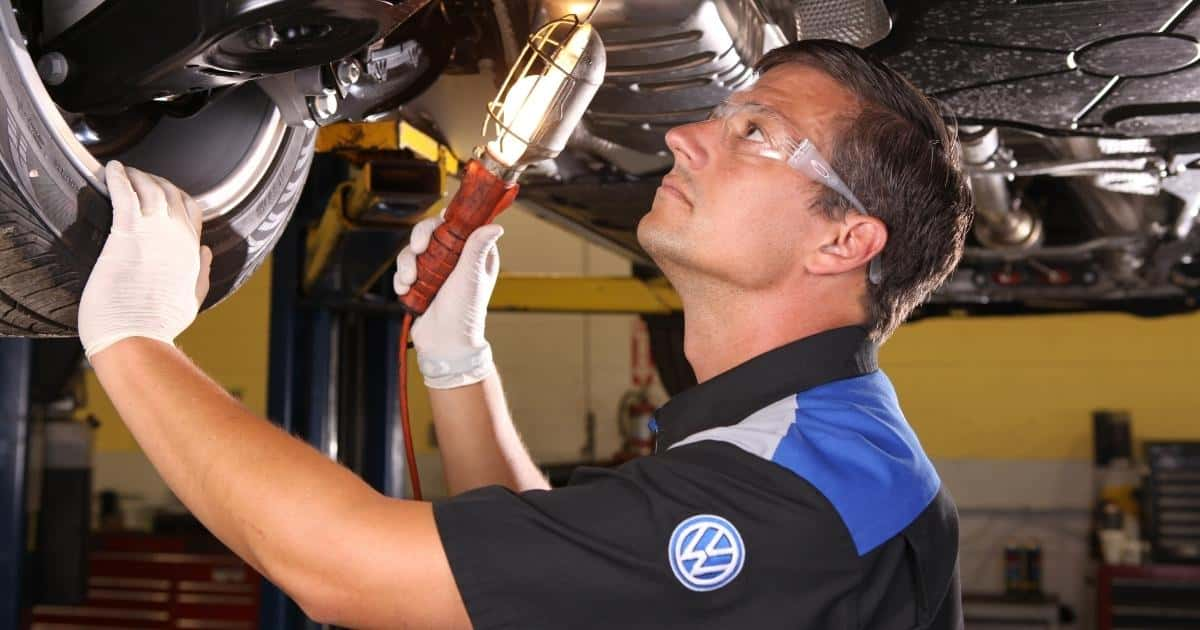
While some drivers are curious about performing basic maintenance themselves, more advanced services should be handled by factory-trained technicians. Volkswagen-certified service teams use genuine parts, precise diagnostic equipment, and model-specific procedures, which ensure your vehicle maintains the safety and performance standards.
A question we hear often is, “Can I go to an independent shop for Volkswagen service?” Technically, yes, but doing so can compromise warranty compliance and may result in the use of non-standard parts. At University Volkswagen, our service department operates to meet the brand’s highest standards, offering peace of mind for every visit.
Planning Service Around Your Budget
It’s natural to wonder how routine care fits into your financial plan. The good news is that Volkswagen’s maintenance schedule allows for planning. By mapping out service intervals and estimated costs, you can budget wisely throughout the year, which is especially useful for those using VW financing, where consistent maintenance helps retain vehicle value. Well-maintained cars often qualify for better trade-in offers, which can reduce the cost of your next vehicle. And when leasing, routine maintenance helps prevent end-of-lease penalties.
Frequently Overlooked Services
 Drivers often focus on oil changes and tire rotations, but they shouldn’t overlook other essential services that keep the vehicle running smoothly. Brake fluid replacement, cabin air filters, and alignment checks are vital for maintaining vehicle comfort and safety. Over time, these components degrade gradually, which can affect how your car performs, especially in emergency situations.
Drivers sometimes ask, “Is a cabin filter really necessary?” Yes. A clogged cabin filter reduces airflow and can affect the air quality inside your car, which is especially relevant in areas with heavy pollen or urban pollution, such as Seattle.
How University Volkswagen Supports Your Service Needs
Our goal is to make scheduled maintenance as stress-free and straightforward as possible. Whether you’re on your first 10,000-mile service or your fifth major inspection, our team is here to provide transparent guidance and trustworthy care. We offer online appointment scheduling, service reminders, and flexible hours to fit your schedule.
If you’re curious about how your service plan aligns with your VW financing, we’re happy to walk you through that, too. Keeping your vehicle maintained is not just about performance, it’s about preserving long-term value and driving confidence.
Keep Your Volkswagen In Peak Condition With Confidence
Staying ahead of your Volkswagen maintenance schedule is one of the most effective ways to protect your investment and enjoy stress-free driving. Whether you’re planning for future service milestones or just starting your ownership journey, understanding your vehicle’s care needs gives you more control over your budget and peace of mind.
If you’re in the Seattle area and ready to schedule service, University Volkswagen is here to help. Our certified technicians and support staff are committed to keeping your vehicle running smoothly, so you can enjoy every mile ahead.