

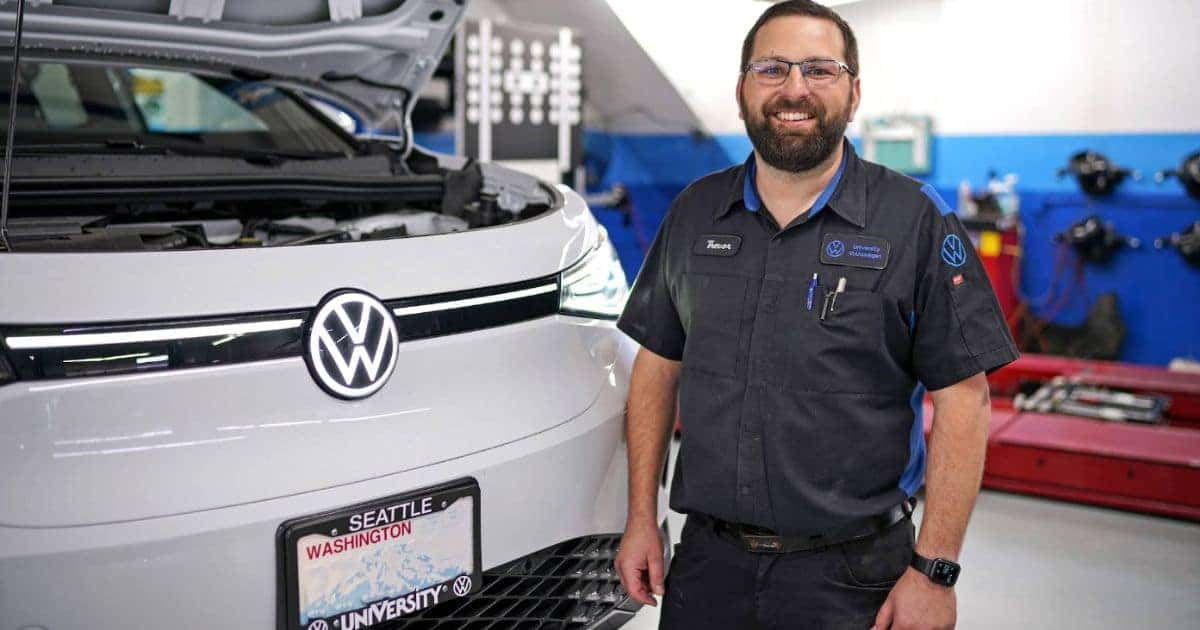
Genuine Volkswagen parts play a direct role in how a vehicle performs, lasts, and retains its value. When drivers in Seattle look for dependable replacements, they often ask whether factory parts are easy to find and how availability impacts service time. At University Volkswagen in Seattle, we understand how important it is for local owners to have access to the right components without delay.
Seattle drivers rely on their vehicles in a variety of conditions, from steady rain to steep hills and busy city streets. That makes choosing quality replacement parts more than a simple purchase decision. It becomes a matter of safety, fit, and long-term reliability. Many drivers ask, Are factory Volkswagen parts better than aftermarket parts? The answer often depends on fit and design standards, which we will explore in detail throughout this guide.
Understanding What Factory Volkswagen Parts Mean
Factory Volkswagen parts, often called OEM parts, are produced to match the original design and engineering of your vehicle. They follow the same standards as the components installed during production, ensuring they align with the vehicle’s systems, dimensions, and materials.
When drivers ask what makes OEM parts different from aftermarket options, the main difference lies in precision and compatibility. Factory components are made specifically for your model and year. Aftermarket manufacturers design parts to fit many vehicles, but they do not always follow the exact original specifications. That precision helps reduce guesswork during installation and supports consistent performance.
In Seattle, where traffic and weather can put extra strain on vehicles, choosing parts that match original engineering helps maintain the driving experience drivers expect from a Volkswagen. From braking systems to filters and electrical components, a correct fit supports smooth operation.
Why Availability Matters For Seattle Drivers
Parts availability affects repair efficiency. If a component is not readily accessible, it can delay service and leave drivers without their vehicle longer than planned. Volkswagen focuses on maintaining access to commonly needed components so routine service and repairs can proceed without unnecessary delays.
Drivers often ask how long it takes to get Volkswagen factory parts. For many common maintenance items such as brake pads, oil filters, and air filters, availability is typically immediate. For specialized components, ordering may be required, but working with a dealership’s parts department can streamline that process.
Seattle’s driving patterns include daily commuting, weekend trips to the mountains, and frequent short city drives. Each of these uses places different demands on a vehicle. Having reliable access to factory-approved parts ensures repairs align with manufacturer standards and support long-term vehicle care.
How Factory Parts Support Long Term Value
 Maintenance history and repair quality directly influence vehicle value. When a car receives parts designed for its original systems, it can help protect resale value. Drivers sometimes ask whether using OEM parts really makes a difference in resale. Many buyers appreciate documented service with original components because it reflects consistent care.
Using Volkswagen factory parts can also reduce the chance of compatibility issues. Parts built to original specifications are less likely to require modification or adjustment, reducing stress on surrounding systems and supporting smoother performance over time.
In Seattle’s competitive used car market, service records matter. When records show factory parts were used, they can provide added confidence to future buyers. Even for drivers planning to keep their vehicle long term, correct components contribute to dependable daily driving.
Common Factory Parts Seattle Drivers Request
Certain components are replaced more often due to regular wear. Brake pads, rotors, filters, batteries, and wiper blades are among the most requested items. Seattle’s frequent rainfall increases demand for wiper blades and brake maintenance. Keeping these systems in good condition is essential for visibility and safety.
Many drivers ask how often to replace Volkswagen brake parts. While intervals vary based on driving habits, regular inspections help determine when replacement is needed. Choosing OEM brake components ensures proper stopping performance and a consistent pedal feel.
Filters also play a key role in engine health and cabin comfort. Oil filters protect internal engine parts, while cabin air filters improve interior air quality. Using factory filters helps maintain airflow and filtration levels designed for your vehicle model, supporting engine protection and interior comfort.
The Role Of The Dealership Parts Department
A dealership’s parts department connects drivers directly to manufacturer-backed inventory systems. These systems help confirm part numbers and ensure the right match for a specific vehicle identification number. That level of detail reduces ordering errors and supports accurate installation.
Drivers sometimes wonder if they can order factory parts online. In many cases, yes. Working with a local dealership also allows for in-person support and guidance. At University Volkswagen, our team assists customers in identifying the correct components based on model year and trim level.
Because modern Volkswagen vehicles feature advanced safety and driver-assistance systems, selecting the right parts matters more than ever. Sensors, cameras, and electronic modules must integrate with software systems. Factory components help maintain that integration and reduce compatibility risks, preserving system integrity.
Installation And Professional Support
 Technicians must install even the best parts correctly to ensure proper performance. While some drivers handle simple replacements, many repairs benefit from the expertise of trained technicians. Professional technicians complete torque settings, calibration steps, and system checks accurately to support safe operation.
A common question is whether installing OEM parts requires dealership service. While not always required, dealership technicians are trained on Volkswagen systems and use specialized tools designed for those vehicles. This can support precise workmanship, especially for complex repairs.
Seattle drivers value convenience and reliability. Having both access to genuine factory parts and experienced technicians in one location simplifies the process. It reduces uncertainty and keeps service aligned with manufacturer guidelines.
Planning For Future Maintenance
Routine maintenance plays a major role in parts demand. Following recommended service intervals helps drivers anticipate when certain components will need replacement. Many drivers ask how they can stay ahead of maintenance needs. Regular inspections and service visits provide clear timelines.
Keeping a record of past replacements also helps track wear patterns. For example, information about replacing brake pads at a certain mileage can guide future checks. Planning reduces stress on parts availability and helps maintain steady vehicle performance.
In Seattle, where the weather and terrain vary, planning maintenance can prevent unexpected issues. Access to factory parts ensures that when replacement time arrives, drivers can choose components built for their vehicle’s original design, supporting long-term dependability.
Supporting Confidence On Seattle Roads
Every part of a vehicle works together as a system. When replacing one component with a properly engineered match, the system continues to function as intended. That coordination supports safety and performance. Drivers often ask whether the warranty covers factory parts. In many cases, manufacturer-backed parts include warranty coverage when installed according to guidelines, providing added reassurance for informed repair decisions.
At University Volkswagen, we serve Seattle and nearby communities by helping drivers understand their options and make informed maintenance decisions. Access to authentic Volkswagen components supports steady performance in city traffic and on longer regional drives.
Choosing factory parts is not about marketing language. It is about correct fit, dependable performance, and alignment with original engineering. When drivers understand how availability works and how parts integrate with their vehicle, they can approach repairs with clarity.
For Seattle drivers who value reliability and long-term care, understanding factory parts availability helps them plan service with confidence. Whether addressing routine wear or preparing for seasonal changes, access to properly matched components is central to maintaining the driving experience Volkswagen owners expect.