
Blog

Tips for Maintaining Your Volkswagen: Be Prepared for Wet Weather

 Inspect and Maintain Your Tires

As the wet weather season approaches, it’s crucial to ensure your Volkswagen is ready to handle the challenges that come with rain-soaked roads. Seattle’s notoriously rainy climate demands a vehicle that is not only reliable but also well-maintained to perform optimally in wet conditions. Whether you’re navigating through puddles or enduring a heavy downpour, taking the right steps to prepare your Volkswagen can make all the difference. We’ve assembled this guide to share essential tips to maintain your Volkswagen and keep it road-ready during the wet weather season!

1. Inspect and Maintain Your Tires

Why It Matters: Tires are your Volkswagen’s first line of defense against wet and slippery roads. Proper tire maintenance is critical for ensuring safety and performance during rainy weather.

What to Do:

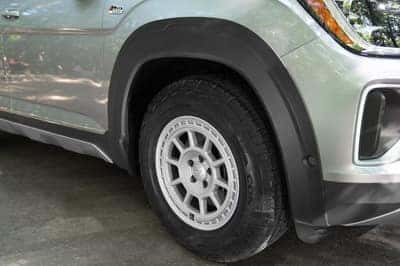
  • Check Tire Tread Depth: Tires with adequate tread depth are essential for maintaining traction on wet surfaces. The minimum recommended tread depth is 2/32 of an inch, but it’s advisable to replace tires before they reach this limit to ensure maximum safety.
  • Monitor Tire Pressure: Tire pressure can fluctuate with temperature changes. Under-inflated tires can reduce traction, making it more difficult to control your Volkswagen in wet conditions. Ensure your tires are inflated to the recommended pressure.
  • Rotate Tires Regularly: Regular tire rotation ensures even wear, which helps maintain consistent performance and prolongs tire life. Typically, tires should be rotated every 5,000-8,000 miles to maximize their performance.

2. Ensure Proper Windshield Wiper Functionality

Why It Matters: Your windshield wipers play a crucial role in maintaining visibility during heavy rain. Worn or damaged wipers can lead to streaks and reduced visibility, increasing the risk of accidents.
Ensure Proper Windshield Wiper FunctionalityWhat to Do:

Replace Worn Wiper Blades: Windshield wiper blades should be inspected regularly for signs of wear, such as streaking, skipping, or squeaking. It’s recommended to replace them every six to twelve months, or sooner if they show signs of deterioration.

Check Windshield Washer Fluid: Ensure your windshield washer fluid reservoir is full and that the fluid is rated for cold weather if you live in an area where temperatures drop. Washer fluid helps clear away dirt and grime that can accumulate on your windshield during wet weather.

3. Test and Maintain Your Braking System

Why It Matters: Wet roads can reduce the effectiveness of your vehicle’s braking system, making it more difficult to stop your Volkswagen quickly and safely. Ensuring your brakes are in top condition is essential for safe driving in rainy weather.

What to Do:

  • Inspect Brake Pads and Rotors: Regularly check your brake pads and rotors for wear and tear. Thin or worn brake pads can significantly reduce braking performance, especially in wet conditions.
  • Monitor Brake Fluid Levels: Low brake fluid can compromise your braking system’s efficiency. Ensure that the brake fluid is at the correct level and replace it if it appears dark or dirty.
  • Listen for Unusual Noises: Grinding, squeaking, or squealing noises when braking can indicate worn brake components that need immediate attention.

4. Examine and Maintain Exterior Lighting

Why It Matters: Visibility is key when driving in wet weather, not only for you but also for other drivers on the road. Properly-functioning exterior lights are essential for safe driving in low-visibility conditions.

What to Do:

  • Check Headlights and Taillights: Ensure all exterior lights, including headlights, taillights, and turn signals, are functioning correctly. Replace any burned-out bulbs immediately to maintain visibility.
  • Clean and Clear Lenses: Dirt, grime, and moisture can accumulate on light lenses, reducing their brightness. Clean the lenses regularly to ensure maximum light output.
  • Consider Upgrading to LED Lights: LED lights offer better visibility in poor weather conditions and last longer than traditional bulbs.

5. Protect Your Volkswagen’s Exterior and Undercarriage

Why It Matters: Wet weather can be harsh on your Volkswagen’s exterior, potentially leading to rust, paint damage, and undercarriage wear. Taking steps to protect your vehicle’s bodywork and undercarriage can help preserve its appearance and value.

What to Do:

  • Apply a Protective Wax Coating: A high-quality wax coating can provide a protective barrier against water, dirt, and road salt. It also helps maintain your Volkswagen’s shine, even in wet weather.
  • Inspect and Clean the Undercarriage: Wet weather can cause mud, dirt, and salt to accumulate on the undercarriage, leading to rust and corrosion over time. Regularly inspect and clean the undercarriage to prevent damage.
  • Use Weather-Appropriate Floor Mats: Wet and muddy shoes can quickly dirty your Volkswagen’s interior. Invest in weather-appropriate floor mats to protect the interior from moisture and debris.

6. Check Your Battery and Electrical Systems

Why It Matters: Cold and wet weather can put extra strain on your Volkswagen’s battery and electrical systems. Ensuring these systems are in good working order can help prevent unexpected breakdowns.

What to Do:

  • Test Battery Health: Cold weather can reduce battery efficiency. Have your battery tested to ensure it’s holding a charge and that the terminals are clean and free of corrosion.
  • Inspect Electrical Connections: Wet weather can cause corrosion in your vehicle’s electrical connections. Inspect the wiring and connections, particularly in areas exposed to moisture.
  • Replace Old Batteries: If your battery is more than three years old, consider replacing it before the wet season starts to avoid any issues.

7. Prepare for Emergencies

Why It Matters: Despite your best efforts, wet weather can still present unexpected challenges. Being prepared for emergencies can help you stay safe and get back on the road quickly.Prepare for Emergencies
What to Do:

  • Keep an Emergency Kit: Your emergency kit should include essentials like a flashlight, first-aid kit, blanket, jumper cables, and a tire repair kit. Make sure your kit is well-stocked and easily accessible.
  • Carry a Set of Rain Gear: A raincoat, umbrella, and waterproof boots can be lifesavers if you need to exit your vehicle in bad weather.
  • Know Your Volkswagen’s Safety Features: Familiarize yourself with your Volkswagen’s safety features, such as traction control and anti-lock brakes, which can be particularly useful in wet conditions.

Staying Safe in Any Weather

Wet weather driving doesn’t have to be daunting if you take the time to properly maintain your Volkswagen. By following these tips, you can help ensure your vehicle is ready to handle the challenges of rain-soaked roads, keeping you and your passengers safe. Regular maintenance not only enhances performance but also extends the life of your Volkswagen, making it a wise investment in your vehicle’s longevity. As always, if you have any questions or need professional assistance, don’t hesitate to reach out to University Volkswagen, your friendly local VW dealership in Seattle for expert advice and service.


Recommended Posts

How Does Acceleration Feel in the Volkswagen Tiguan Compared to the Toyota RAV4

How Does Acceleration Feel in the Volkswagen Tiguan Compared to the Toyota RAV4

Acceleration is one of the first things you notice on a test drive, and it is also one of the hardest things to judge from a spec sheet. Two SUVs can post nearly identical zero-to-60 times and still feel completely different when you pull onto Aurora Avenue or merge onto I-5 during rush hour. That gap between numbers and feel is exactly what shoppers want to understand, and it is a question our team hears often from drivers who buy VW online or start their search from home before visiting our showroom in Seattle. The Volkswagen Tiguan and the Toyota RAV4 sit at the center of the compact SUV segment, but they reach their power in very different ways. The Tiguan uses a turbocharged gasoline engine paired with an eight-speed automatic transmission. The current RAV4 is hybrid only, combining a 2.5-liter four-cylinder with electric motors and a continuously variable transmission. Those two engineering choices shape everything about how each SUV responds when you press the pedal. At University Volkswagen on Roosevelt Way NE, we walk drivers from Seattle, Bellevue, and Kirkland through this comparison every week, so this guide breaks it down in plain terms. What Acceleration Feel Actually Means Many shoppers ask why two SUVs with similar horsepower can feel so different. The answer comes down to how and when power arrives, not just how much of it exists. Acceleration feel is the combination of throttle response, torque delivery, transmission behavior, and engine sound. A turbocharged engine builds boost and then delivers a strong surge of torque in the mid-range. A hybrid system delivers instant electric torque from a standstill, then hands off to the gas engine as speed climbs. Both approaches work well, but they produce different sensations. Turbo power tends to feel like a building wave. Hybrid power tends to feel like an immediate push that then levels off. Why Numbers Alone Do Not Tell the Story Zero to 60 times measures maximum effort from a stop. Most daily driving never involves that. You are rolling from 25 to 45 mph to clear an intersection, or from 45 to 65 mph to merge. Those partial throttle moves are where the two powertrains separate most clearly, and where a test drive tells you more than any chart. Where the Difference Shows Up in Daily Driving Acceleration never happens in isolation. It blends into ride quality, steering weight, visibility, and cabin noise, which is why our full breakdown on comparing everyday driving experience between the Volkswagen Tiguan and Toyota RAV4 is a useful companion to this guide. Read together, the two give you a complete picture of how each SUV behaves between your driveway and your destination. In the Volkswagen Tiguan, the turbocharged 2.0-liter engine paired with a conventional eight-speed automatic gives you distinct gear changes and a linear build of speed. Because the transmission holds real gears, engine sound rises and falls in a way most drivers find familiar and predictable. The available high-output version of that engine produces 268 horsepower and 258 pound-feet of torque, with peak torque arriving low in the rev range, which is why it feels eager at city speeds rather than only on the highway. In the Toyota RAV4, the hybrid system delivers its strongest sensation in the first few feet of movement. Electric motors provide torque instantly, so pulling away from a stoplight feels effortless and quiet. As speed increases, the CVT keeps engine revs high under hard acceleration, which produces a steady drone rather than a series of shifts. Some drivers appreciate the smoothness. Others find it less engaging because the sound does not match the sensation of building speed. Everyday Situation Volkswagen Tiguan Toyota RAV4 Hybrid Pulling away from a stoplight Brief turbo build, then a firm pull Immediate, quiet electric push Merging onto I-5 Strong mid-range surge with clear downshifts Steady power with rising engine noise Passing on a two-lane road Confident with the turbo engine Adequate, though the engine gets loud Stop and go traffic Smooth automatic shifts Very smooth, often electric only Hill climbs around Queen Anne Torque available low in the rev range Engine works harder to hold speed Powertrain Specifications Side by Side Numbers still matter as a reference point, so here is the straightforward comparison. Volkswagen offers the Tiguan with two outputs from the same 2.0-liter turbocharged engine. Toyota builds every current RAV4 as a hybrid or plug-in hybrid. Specification Volkswagen Tiguan Toyota RAV4 Engine type Turbocharged 2.0L four-cylinder 2.5L four-cylinder hybrid Horsepower 201 hp standard, 268 hp on the top trim 226 hp front-wheel drive, 236 hp all-wheel drive Torque 207 to 258 lb-ft depending on configuration Combined output varies by drive motor setup Transmission 8-speed automatic with Tiptronic Continuously variable automatic Zero to 60 mph Roughly 8 seconds standard, about 7 seconds on the 268 hp version Roughly 7.1 seconds in all-wheel drive testing Drivetrain options Front-wheel drive or 4Motion all-wheel drive Front-wheel drive or electric all-wheel drive Fuel type Regular gasoline Gasoline hybrid Notice something important in that table. On paper, the two SUVs land close together, yet the driving character is not close at all. That is the whole point of this comparison. Transmission Behavior Shapes the Experience Drivers often underestimate how much the transmission influences the feel of acceleration. The Tiguan's eight-speed automatic shifts through defined gears, which gives you feedback. You hear the engine climb, feel the shift, and sense the next pull begin. For anyone who has driven traditional automatics for years, this feels natural and controlled. A CVT works differently. It holds the engine at an efficient rpm and varies the ratio continuously, which eliminates shift shock but also removes the cues many drivers rely on. Toyota has improved the refinement of this system considerably, and transitions between gas and electric power are smoother than in earlier generations. Still, independent testing has noted the gasoline engine becomes noticeably loud under hard throttle. Drive Modes and Driver Control The Tiguan gives you additional influence over throttle mapping through drive mode selection. Sport mode sharpens throttle response and holds gears longer, which changes the character of the vehicle without changing the hardware. Paddle shifters on equipped models let you request a downshift before a pass instead of waiting for the transmission to decide. Control Feature Volkswagen Tiguan Toyota RAV4 Selectable drive modes Eco, Comfort, Sport, Custom, Off-Road, Snow Eco, Normal, Sport Manual gear control Tiptronic and available paddle shifters Not applicable with CVT All-wheel drive system 4Motion mechanical all-wheel drive Electric rear motor all-wheel drive Console control Driver Experience Dial Conventional switches What This Means for Seattle Area Drivers Local conditions matter here. Seattle driving mixes tight neighborhood streets, steep grades in areas like Capitol Hill and Magnolia, long highway stretches on I-5 and I-405, and frequent wet pavement. Low-end torque and predictable throttle response make hill starts and rainy merges easier, which favors the turbocharged Tiguan for drivers who value a connected feel. If your driving is dominated by short trips, heavy traffic, and fuel cost concerns, hybrid acceleration has real appeal because the electric motor does most of the work at low speed. If your driving includes regular highway runs, mountain trips toward Snoqualmie, or simply a preference for a more engaging SUV, the Tiguan's turbo delivery is likely to suit you better. Neither answer is universally correct, which is why a back-to-back test drive is worth the time. Traction and Confidence in Wet Weather Acceleration also depends on grip. Volkswagen's 4Motion all-wheel-drive system is a mechanical setup that sends torque to the rear wheels when the front wheels begin to slip. That matters on wet leaves in the fall and on the damp hills that define much of the Puget Sound region. Confident launches in poor weather are less about horsepower and more about how quickly the system reacts. How to Compare the Two Yourself The most reliable way to judge acceleration feel is a structured test drive rather than a quick loop around the block. Drive the same route in both vehicles, at similar times of day, and pay attention to specific moments rather than overall impressions. Try three things. First, accelerate from a full stop without pushing hard, since that mimics most real driving. Second, roll from 40 to 65 mph on a highway on-ramp and notice how quickly each vehicle responds. Third, listen. Cabin noise under acceleration shapes how fast a vehicle feels, and it is one of the clearest differences between a turbo automatic and a hybrid CVT. Test Drive Checkpoint What to Notice Launch from a stop Delay before power arrives 40 to 65 mph roll on Downshift response or CVT rpm rise Uphill pull Whether the engine strains or holds steady Cabin noise at full throttle Engine volume and vibration Braking and coasting Regenerative feel versus conventional brake feel Wet pavement launch Traction and stability response Shopping and Ownership Support at University Volkswagen Once you know which driving character fits you, the buying process should be straightforward. You can browse our full new and pre-owned inventory online, use the payment calculator to estimate a monthly figure, value your trade, and get pre-approved through our finance center in just a few minutes. Starting online lets you narrow your choices before you ever set foot in the showroom, then finish the conversation in person with our team. Ownership support matters just as much as the purchase. Our certified service center is staffed by factory-trained Volkswagen technicians who handle oil changes, brake work, tire service, diagnostics, and warranty repairs. Our parts department stocks genuine Volkswagen components and accessories, and you can schedule service online whenever it suits your calendar. For drivers across Seattle, Bellevue, and Kirkland, that combination of online convenience and local expertise is what makes long-term ownership simple. Frequently Asked Questions Is the Volkswagen Tiguan faster than the Toyota RAV4? It depends on the configuration. The Tiguan with the 268-horsepower turbocharged engine reaches 60 mph in roughly 7 seconds, while the all-wheel-drive RAV4 Hybrid has been tested at about 7.1 seconds. The standard 201-horsepower Tiguan takes closer to 8 seconds. Why does turbo acceleration feel different from hybrid acceleration? A turbo engine builds boost and delivers its strongest pull in the mid-range through defined gear changes. A hybrid delivers instant electric torque from a stop and then relies on the gas engine, which produces a smoother but less layered sensation. Does the Tiguan need premium fuel? No. The Volkswagen Tiguan is designed to run on regular 87 octane gasoline, including the higher-output turbocharged version. Always confirm the recommendation in your owner's manual for your specific model year and trim. Is all-wheel drive worth it in Seattle? For many local drivers, yes. Wet pavement, steep neighborhood grades, and mountain travel all benefit from added traction, and Volkswagen's 4Motion system reacts quickly when the front wheels lose grip. Front-wheel drive remains a solid choice for mostly city driving. Can I buy a Volkswagen online from University Volkswagen? You can complete much of the process online, including browsing inventory, valuing your trade, estimating payments, and applying for pre-approval. Our team then finalizes the details with you directly so you can confirm the vehicle and paperwork. Which SUV is better for towing? The RAV4 offers higher towing ratings on properly equipped all-wheel-drive models, generally up to 3,500 pounds. The Tiguan is rated lower, at roughly 1,500 to 1,800 pounds depending on drivetrain, so heavy towing buyers should factor that in. How do I decide between the two? Drive both on the same route and focus on partial throttle acceleration, cabin noise, and how the transmission responds. Our Seattle team can arrange a comparison drive and walk you through trim differences before you commit.

What’s New Under the Hood for the 2027 Atlas Cross Sport

Power, Capability, and Safety: What’s New Under the Hood for the 2027 Atlas Cross Sport

The 2027 Volkswagen Atlas Cross Sport is getting a meaningful performance upgrade. Volkswagen has announced an updated turbocharged engine producing 282 horsepower, making the upcoming model the most powerful Atlas Cross Sport to date. That increase matters because it gives drivers more power for highway merging, passing, climbing grades, and carrying passengers and gear without changing the SUV's practical five-passenger formula. Those qualities matter especially around Seattle. A normal week might include congested streets and Interstate 5 commuting, while a weekend could involve Interstate 90 mountain grades, wet pavement, or a longer trip across Washington. Beyond its redesigned appearance, the 2027 Atlas Cross Sport brings meaningful performance changes. Its upgraded turbocharged engine produces 282 horsepower and works with an eight-speed automatic transmission, with buyers able to choose front-wheel drive or available 4MOTION® all-wheel drive. What Changes Under the Hood for 2027? Volkswagen has confirmed that the Atlas Cross Sport's turbocharged engine now produces 282 horsepower. The outgoing 2026 model uses a turbocharged 2.0-liter TSI engine rated at 269 horsepower, so the new version adds 13 horsepower. That increase may look modest numerically, but horsepower is only one part of how an SUV performs. Transmission calibration, drivetrain configuration, vehicle load, and power delivery all influence acceleration and responsiveness. Volkswagen has also indicated improved fuel efficiency compared with the outgoing model, although final 2027 EPA estimates have not yet been published. For Seattle-area shoppers, the takeaway is straightforward: the 2027 Atlas Cross Sport gains power while Volkswagen also targets better efficiency. Performance Detail 2027 Atlas Cross Sport Engine Updated turbocharged engine Horsepower 282 hp Transmission 8-speed automatic Drivetrain FWD or available 4MOTION AWD Fuel Economy Improved versus outgoing model, final figures pending Seating Five passengers What Does 282 Horsepower Mean in Everyday Driving? More horsepower can improve an SUV's ability to build speed when merging onto a freeway or passing slower traffic. It can also be useful when climbing steep roads with several passengers and cargo aboard. That makes the upgrade relevant beyond performance enthusiasts. Drivers heading east through Snoqualmie Pass, traveling with outdoor equipment, or simply navigating Seattle's short freeway entrance ramps can benefit from responsive power delivery. The eight-speed automatic transmission is designed to manage that output without requiring manual shifting. Is the 2027 Atlas Cross Sport a Performance SUV? It is better described as a powerful midsize crossover designed for everyday versatility rather than a dedicated high-performance SUV. Its five-seat layout emphasizes passenger room, cargo flexibility, and comfortable daily use. The 282-horsepower engine adds another layer of capability without changing that fundamental purpose. In other words, the added output should make the Atlas Cross Sport more responsive while preserving the qualities that make it practical for commuting and recreation. How Does 4MOTION Help Seattle Drivers? The 2027 model will continue to offer Volkswagen's 4MOTION all-wheel-drive system. Rather than sending power exclusively through the front wheels, an AWD system can distribute driving force across additional wheels when conditions call for more traction. That can be useful in western Washington, where drivers regularly encounter wet roads and may travel into snowy mountain environments during winter. All-wheel drive does not eliminate the need for suitable tires or careful driving, but it can improve traction when accelerating on challenging surfaces. Drivers who spend almost all their time on maintained city roads may prefer front-wheel drive. Those who frequently travel toward the Cascades or encounter winter weather may find 4MOTION particularly worthwhile. Driving Situation Potential Benefit of Available 4MOTION Wet Seattle streets Helps manage traction during acceleration Mountain travel Adds drivetrain flexibility as conditions change Winter trips Useful when encountering snow or slippery surfaces Highway driving Supports confident power delivery Weekend recreation Expands versatility beyond urban commuting What About Towing and Capability? Capability includes more than engine output. Drivers interested in towing should check the final specifications for their exact 2027 configuration. The outgoing Atlas Cross Sport can tow up to 5,000 pounds when properly equipped on qualifying configurations. However, shoppers should not automatically assume every 2026 towing specification carries over unchanged to 2027. Check Volkswagen's final towing ratings, equipment requirements, and trim-specific specifications once complete 2027 information becomes available. This distinction matters because towing limits depend on the vehicle configuration and equipment. Trailer weight, passengers, cargo, tongue weight, and accessories can all affect what a vehicle can safely handle. How Does Safety Fit Into the 2027 Update? Performance and safety are closely connected. Predictable acceleration, stable handling, proper traction, capable brakes, and good tires all contribute to driver confidence. Available all-wheel drive can help with traction, but drivers should view it as one part of a larger safety picture. Volkswagen has not yet released every final safety and driver-assistance specification for the 2027 Atlas Cross Sport. As a result, it is better to avoid assuming that every feature or safety rating from the outgoing model will carry forward unchanged. Why Is That Important When Shopping for a New Model Year? Safety ratings apply to the specific vehicles tested, and equipment can change between model years. A rating earned by a 2026 vehicle should not automatically be presented as a 2027 rating before the newer vehicle has been evaluated. The same principle applies to driver-assistance equipment. Once Volkswagen publishes complete 2027 specifications, shoppers should compare standard and available systems by trim rather than relying on details from the previous model year. The 2027 Update Goes Beyond the Engine Although power is central to this update, Volkswagen is also refreshing the Atlas Cross Sport inside and out. Confirmed cabin upgrades include an available 15-inch digital display, available Nappa leather seating surfaces, and front massage functionality. Real wood decor is also among the announced interior details. These upgrades broaden the 2027 model's appeal. A more powerful engine may improve the drive, while the revised cabin focuses on making the time spent behind the wheel more comfortable and connected. 2027 Update What It Means 282-hp turbo engine More power than the outgoing model 8-speed automatic Familiar automatic operation Available 4MOTION AWD option for changing conditions Available 15-inch display Larger digital interface Available massage front seats Added long-distance comfort Available Nappa leather More premium cabin option What Should Seattle Shoppers Look for Next? If you're considering the 2027 Volkswagen Atlas Cross Sport, focus on confirmed information first and watch for Volkswagen's complete trim, towing, efficiency, safety, and equipment specifications as the vehicle approaches dealerships. That is particularly important when comparing trims. A feature standard on one configuration may be optional or unavailable on another, and drivetrain selection can affect how an SUV fits your driving habits. While awaiting the arrival of the 2027 lineup, drivers can explore current models or contact University Volkswagen in Seattle's University District. You can check available options today by browsing the current Atlas Cross Sport or reach out directly to stay updated on 2027 availability. The early picture is already clear: the 2027 Atlas Cross Sport gets more power without sacrificing everyday usability. Its 282-horsepower turbo engine, eight-speed automatic, and available 4MOTION system create a promising combination for drivers who want an SUV capable of handling Seattle commuting and longer Pacific Northwest trips. Frequently Asked Questions How much horsepower does the 2027 Volkswagen Atlas Cross Sport have? The 2027 Volkswagen Atlas Cross Sport produces 282 horsepower from its updated turbocharged engine. That is 13 horsepower more than the 269-horsepower 2026 model. Does the 2027 Atlas Cross Sport have all-wheel drive? Yes. Volkswagen has confirmed that the 2027 Atlas Cross Sport will be offered with available 4MOTION all-wheel drive, while front-wheel drive will also be offered. What transmission does the 2027 Atlas Cross Sport use? The 2027 Atlas Cross Sport pairs its turbocharged engine with an eight-speed automatic transmission. This combination is intended to balance responsive performance with smooth everyday operation. Is the 2027 Atlas Cross Sport more fuel efficient? Volkswagen says the updated engine provides improved fuel efficiency compared with the outgoing model. Consult final EPA fuel-economy estimates once official 2027 ratings are released. How much can the 2027 Volkswagen Atlas Cross Sport tow? Volkswagen should confirm complete 2027 towing specifications once it publishes final model information. The outgoing model can reach a 5,000-pound braked towing capacity when properly equipped in qualifying configurations, but that figure should not automatically be applied to the 2027 model. Is 4MOTION useful for driving around Seattle? Available 4MOTION can help drivers who regularly encounter rain, winter conditions, or trips into Washington's mountain regions. Proper tires, appropriate speeds, and attentive driving remain essential regardless of drivetrain. What else is new on the 2027 Atlas Cross Sport? Beyond the stronger engine, Volkswagen has announced redesigned exterior and interior elements. Available features include a 15-inch digital display, Nappa leather seating surfaces, front massage seats, and real wood interior decor.

The Seattle Guide to Volkswagen Service

The Seattle Guide to Volkswagen Service: How to Schedule, Maintain, and Protect Your Volkswagen

Owning a Volkswagen means enjoying a vehicle engineered for everyday comfort and efficiency. Like any automobile, however, it performs best when routine maintenance is completed on time. From navigating Seattle traffic to taking weekend drives across the Cascade Mountains, regular service keeps your vehicle dependable year-round. Knowing when to VW schedule service is one of the simplest ways to protect your investment and reduce the likelihood of unexpected repairs. For drivers throughout Seattle, Bellevue, Lynnwood, and the surrounding Puget Sound communities, understanding your maintenance schedule can feel overwhelming at first. Fortunately, Volkswagen provides clear service recommendations, and experienced service professionals can help keep your vehicle on track. Whether you own a Jetta, Tiguan, Taos, Atlas, Golf GTI, or an all-electric ID.4, following a proactive maintenance routine supports long-term reliability, safety, and driving confidence. Why Routine Volkswagen Maintenance Matters Every component in your Volkswagen is designed to work together. Over time, fluids degrade, filters collect debris, tires wear, and braking components gradually lose effectiveness. Regular inspections allow these items to be addressed before they affect vehicle performance. Many drivers ask whether routine maintenance is truly necessary if their vehicle seems to be running well. The answer is yes. Preventive maintenance helps identify normal wear before it develops into more serious mechanical issues, often saving both time and money over the life of the vehicle. Seattle Driving Creates Unique Maintenance Needs Driving conditions around Seattle differ from those in many other parts of the country. Frequent rainfall, changing temperatures, steep hills, stop-and-go traffic, and occasional mountain travel all place additional demands on a vehicle. These conditions make regular inspections especially valuable. Brakes, tires, batteries, windshield wipers, and suspension components may require closer attention depending on driving habits and seasonal conditions. Common Seattle Driving Condition Maintenance Focus Frequent rain Tire tread and wiper blades Urban traffic Brake inspections Mountain travel Brake system and cooling system Seasonal temperature changes Battery and tire pressure Long highway trips Fluid levels and tire condition Understanding Your Volkswagen Maintenance Schedule Volkswagen maintenance follows recommended service intervals designed to keep major systems operating efficiently. While every model has its own maintenance guide, routine visits typically include inspections, fluid replacements, and component checks based on mileage or time. Staying current with these intervals also helps preserve vehicle performance while allowing technicians to identify developing concerns before they become expensive repairs. Typical Service Item General Purpose Engine oil and filter Supports engine lubrication Tire rotation Promotes even tire wear Brake inspection Evaluates braking performance Multi-point inspection Checks major vehicle systems Cabin air filter Improves interior air quality Engine air filter Supports engine efficiency When Should You Schedule Volkswagen Service? Many owners wonder if they should wait until a warning light appears. The answer is simple. It's better to schedule maintenance before problems develop. Following the maintenance schedule in your owner's manual helps keep your Volkswagen operating as intended. If you notice unusual sounds, dashboard warning indicators, changes in handling, or reduced fuel efficiency, it's also wise to arrange an inspection rather than waiting for the issue to worsen. Routine appointments are also convenient opportunities to ask questions about your vehicle's condition and discuss upcoming maintenance recommendations with trained professionals. Genuine Parts Help Maintain Performance Not all replacement components are built to the same specifications. Many Volkswagen owners choose Genuine Volkswagen Parts because they are engineered specifically for Volkswagen models. Components designed for the original vehicle specifications help maintain proper fit, compatibility, and long-term performance. Using appropriate replacement parts can also simplify future maintenance, as they are designed to work alongside the vehicle's original systems and technologies. What Happens During a Service Visit? A maintenance appointment involves much more than an oil change. Technicians inspect critical vehicle systems, looking for signs of wear that may not yet be noticeable during everyday driving. This proactive approach allows smaller concerns to be addressed before they affect reliability or safety. Routine service appointments may include inspections of the brakes, steering, suspension, tires, battery, lighting systems, filters, and essential fluids. The exact services depend on your Volkswagen's model, mileage, and maintenance history. Protecting Your Volkswagen for Years to Come Routine maintenance is one of the best ways to support your Volkswagen's long-term reliability. Small services performed at the right time can help reduce unnecessary wear on major components while contributing to consistent performance and fuel efficiency. Many owners also develop simple habits that complement professional maintenance. Checking tire pressure regularly, washing away road grime, monitoring dashboard alerts, and replacing worn wiper blades all help keep the vehicle prepared for changing Pacific Northwest conditions. Combined with scheduled inspections, these steps can make everyday driving more enjoyable. Maintenance Habit Why It Helps Check tire pressure monthly Supports handling and tire life Replace worn wiper blades Improves visibility during rain Watch for dashboard alerts Identifies concerns early Wash the vehicle regularly Helps protect the exterior finish Follow factory service intervals Promotes long-term reliability Making Service Scheduling Convenient Many drivers appreciate having flexible options for scheduling maintenance around work, family, and travel schedules. Online scheduling tools make it easier to choose an available appointment time, while service advisors can recommend maintenance based on your vehicle's mileage and driving habits. At University Volkswagen, customers throughout Seattle, Bellevue, Lynnwood, and the surrounding communities can coordinate routine maintenance with technicians who work on Volkswagen vehicles every day. From regular inspections to more in-depth repairs, having a consistent service partner simplifies vehicle ownership and provides confidence that recommended maintenance is performed in accordance with Volkswagen guidelines. Choosing the Right Service at the Right Time Not every appointment includes the same maintenance tasks. The services your Volkswagen needs will vary depending on mileage, age, and driving habits. Whether you commute daily through downtown Seattle, frequently travel on Interstate 5, or enjoy weekend road trips across Washington, following your maintenance schedule helps ensure your vehicle receives attention before normal wear becomes more serious repairs. Vehicle Need Recommended Service Routine maintenance Oil and filter service, inspections Uneven tire wear Tire rotation and alignment evaluation Reduced braking performance Brake inspection Poor cabin airflow Cabin air filter replacement Dashboard warning light Diagnostic inspection A Consistent Maintenance Routine Pays Off Regular service is about more than checking boxes on a maintenance schedule. It helps protect your vehicle's value while supporting dependable performance for years to come. If you're looking for additional ownership advice, scheduling routine maintenance is an excellent place to start. Staying proactive allows small issues to be identified early and helps your Volkswagen continue performing the way it was designed. For drivers across the Seattle area, maintaining a Volkswagen becomes easier with knowledgeable support, factory-recommended maintenance practices, and quality replacement parts designed specifically for your vehicle. Establishing a regular service routine today can help make every commute, family outing, and weekend adventure more enjoyable tomorrow. Frequently Asked Questions How often should I schedule service? Your Volkswagen should be serviced according to the maintenance intervals outlined in the owner's manual. These recommendations are based on time and mileage and help keep major vehicle systems operating properly. Why is routine Volkswagen maintenance important? Routine maintenance helps identify normal wear before it develops into larger mechanical problems. It also supports vehicle safety, performance, efficiency, and long-term reliability. What services are included during a typical maintenance visit? A routine appointment may include an oil and filter change, tire rotation, brake inspection, fluid checks, filter inspections, and a multi-point vehicle inspection. The exact services depend on your Volkswagen's model and maintenance schedule. Why should I use Genuine Volkswagen Parts? Genuine Volkswagen Parts are engineered to meet the specifications of your vehicle. They are designed for proper fit, compatibility, and dependable performance, helping maintain the integrity of your Volkswagen over time. Where can I schedule Volkswagen service near Seattle? Drivers in Seattle, Bellevue, Lynnwood, and nearby communities can schedule service at University Volkswagen, where trained technicians perform maintenance and repairs tailored to Volkswagen vehicles while helping owners stay on track with recommended service intervals.